








Planning a road trip across South Africa is exciting, but safety should always come first. Whether you’re heading to the coast or exploring the bushveld, preparing properly can mean the difference between a smooth journey and a stressful one. Here’s a comprehensive guide to road trip safety, updated with practical tips and SEO-optimised advice to keep you and your family safe on the road.
Inspect Your Vehicle Before You Leave
Before setting off, give your vehicle a full safety check. Examine all lights and indicators, windscreen wipers, brakes, steering system, exhaust system and tyres for signs of wear or damage. This ensures your vehicle is roadworthy and reduces the chance of breakdowns. If you’re uncertain about any components, visit an AA Technical Centre for a pre-trip inspection. These centres offer affordable checks and peace of mind before long-distance travel.
Always Carry Emergency Spares
Even if your car has passed an inspection, unexpected breakdowns can still happen. Keep a spare fan belt, radiator hose, and ignition key in your boot. These simple items can save time and money, especially if you’re far from help. A well-stocked emergency kit should also include a torch, basic tools, reflective triangles, a first aid kit, and a tyre inflator.
Review and Update Insurance Policies
Double-check your insurance cover before you go. Make sure your vehicle insurance is valid and comprehensive. It’s also wise to confirm that your householder, houseowner, and life insurance policies are up to date in case of any unexpected events during your trip. Print or save copies of important documents and emergency contact numbers.
Secure Your Home and Pets Before You Go
Road safety goes beyond the car. Before you leave, cancel any newspaper deliveries and inform trusted neighbours of your absence. Arrange proper care for your pets and never leave them unattended at home. A well-prepared departure ensures you’ll travel with peace of mind.
Plan Your Route Ahead of Time
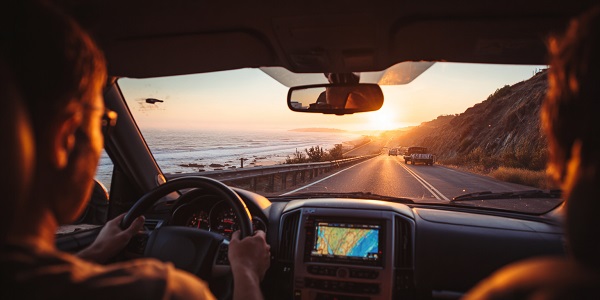
If you’re unfamiliar with the journey, plan your route in advance. Use updated road maps, navigation apps, or request a personalised itinerary from the AA. Stick to major highways and avoid taking back roads just to save a few kilometres. Main routes are better maintained, have clearer signage, and are generally safer especially when travelling at night.
Prioritise Seatbelt Use and Safe Following Distances
Always wear your seatbelt, no matter how short the trip. Make sure every passenger, including children, is buckled up correctly. Maintain at least a two-second following distance between vehicles. Increase this distance in wet weather, fog, or at night, when visibility is reduced. This space gives you more time to react in case of sudden stops or hazards.
Prevent Fatigue With Regular Rest Breaks
Long journeys can lead to driver fatigue, one of the top causes of road accidents. Make a habit of stopping every two hours or 200 kilometres to stretch, hydrate and rest. If possible, switch drivers regularly. Fresh eyes behind the wheel reduce the risk of lapses in concentration.
Keep Valuables Out of Sight
When your car is unattended, always lock the doors and keep valuables out of sight. Bags, electronics and wallets should be placed in the boot or hidden compartments. Never leave children or pets in a locked vehicle, even for a few minutes. Interior temperatures can rise dangerously fast, leading to heatstroke, which can be fatal.
Keep Your Driver’s Licence On You
By law, South African drivers must carry their valid driver’s licence at all times. Make sure it’s not expired and that your vehicle registration and licence disc are also up to date. If you’re pulled over by traffic officers, having these documents on hand avoids unnecessary fines or delays.
Be Weather-Wise
South African weather can change quickly. Check the forecast for your travel days and prepare accordingly. Pack appropriate clothing, especially if you’re travelling through areas prone to cold snaps or sudden rain. Wet or icy roads require slower speeds and more cautious driving.
Stay Connected and Share Your Journey
Let someone know your planned route and estimated arrival times. This is especially important for long journeys or when travelling in rural areas with limited reception. Make sure your mobile phone is charged, and consider carrying a car charger or power bank in case of emergencies.




Fuel Up and Plan Refuelling Stops
Avoid running low on fuel in remote areas by filling up before your tank gets too low. If you’re heading off the beaten track, identify fuel stations along your route and estimate your vehicle’s consumption. Don’t assume there will be fuel available in smaller towns so plan ahead.
Respect the Rules of the Road
Speed limits, stop signs and lane markings exist for your safety. Respect all traffic laws, drive courteously and stay calm under pressure. Road rage incidents are avoidable if you remain patient and focused. Teach children road safety principles too as they’re never too young to learn.
Pack Smart and Light
Only take what you need and ensure your luggage is packed safely. Avoid stacking heavy items high or blocking your rear view. Use boot space effectively and don’t overload the vehicle. If you’re carrying bikes, trailers or rooftop carriers, double-check they are secured correctly before departure.
Know What to Do in Case of an Emergency
If you experience a breakdown or accident, pull off the road as safely as possible and switch on your hazard lights. Place your emergency triangle a safe distance behind your vehicle. Call roadside assistance or emergency services if needed. Stay calm and avoid walking along busy roads.
Also read:
Road trip with toddlers: A how-to survival guide for parents in SA
Car Safety for Pregnant Drivers: What to Know When Pregnant and Driving
BabyYumYum FAQs: Essential Safety Hints When Planning a Road Trip
How should I prepare my car before a road trip?
Have your car serviced or inspected. Check the tyres (including the spare), brakes, lights, windshield wipers, fluid levels, and ensure your battery is in good condition. Don’t forget to top up fuel and check your oil and water. Take a look at Road safety tips for the holidays – Presented by Paige Lindenberg in partnership with Tiger Wheel & Tyre.
What emergency items should I carry in the car?
Pack a first-aid kit, torch (with batteries), jumper cables, warning triangle, tyre repair kit or inflator, bottled water, non-perishable snacks, and a mobile phone charger or power bank.
How often should I take breaks during a road trip?
Plan to stop every 2 hours or every 150–200km to rest, stretch, and refresh. Fatigue is a major cause of accidents so never push through tiredness.


Is it important to plan the route in advance?
Yes. Know your route, identify safe rest stops and fuel stations, and keep a physical map as backup in case mobile signal or GPS fails.
Should I inform someone about my travel plans?
Always let a friend or family member know your route, expected arrival time, and emergency contact number in case something goes wrong.
How can I keep children safe and entertained during the trip?
Use age-appropriate car seats, ensure all seatbelts are fastened, and pack toys, books, snacks and games to keep children busy. Take regular breaks to let them stretch and move around safely.
What documents should I carry?
Bring your driver’s licence, car registration, insurance papers, ID, and any relevant roadside assistance details. For cross-border travel, additional documentation may be required.
Is it safe to drive at night?
If possible, avoid night driving especially in rural or unfamiliar areas. Visibility is reduced and the risk of encountering fatigue, poor road conditions or crime is higher.
What should I do if I break down?
Pull off safely, switch on your hazard lights, and place a warning triangle at least 45m behind your car. Stay inside if it’s unsafe to exit and call roadside assistance or emergency services.
How can I stay alert during long drives?
Get plenty of rest the night before, stay hydrated, avoid heavy meals, and share the driving if possible. Chewing gum, cool air, and upbeat music can help with alertness.
What if I encounter bad weather?
Slow down, increase your following distance, and switch on your lights in rain or fog. If visibility is poor or conditions are dangerous, pull over somewhere safe and wait it out.
Should I download any apps before I go?
Yes. Navigation apps, traffic and weather updates, and emergency contact apps can be very useful. Be sure to download offline maps if signal might be an issue on your route.
Disclaimer: This information is for general guidance only. Always follow South African road safety laws and consult your car manual, insurer, or roadside assistance provider for vehicle-specific advice before travelling.
