






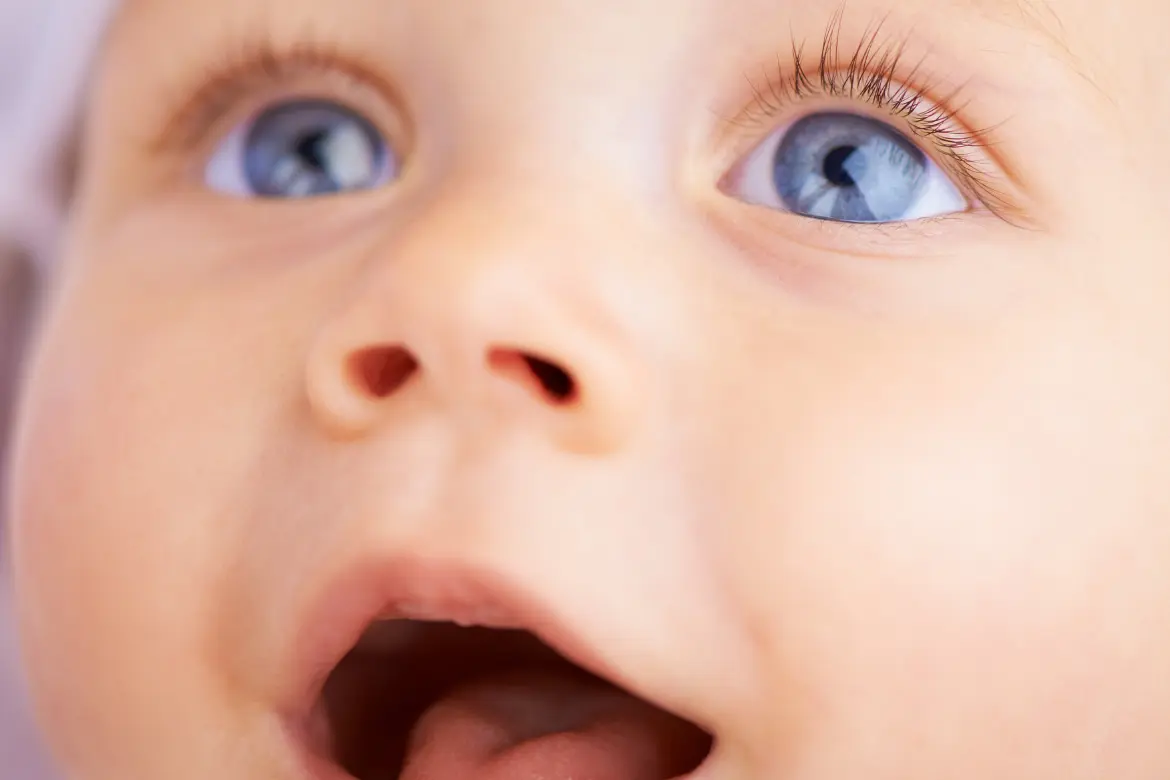
Eye health in babies and toddlers is closely related to their learning and development from the very beginning. Vision plays a quiet but powerful role in how little ones move, interact, focus and make sense of the world around them. When visual development is supported early, it can shape everything from coordination to confidence. Understanding this connection helps caregivers recognise why healthy eyes are not just about seeing clearly but about supporting learning at every stage.
READ THIS ARTICLE FOR FREE!
Let’s be honest! Parenting isn’t all cuddles and cupcakes. It’s also chaos, coffee and Googling “is it normal if my toddler eats crayons?” at 2AM. That’s why we built a BabyYumYum Premium Membership – your smart, supportive sidekick for the messy, magical ride of parenting.
When you join, you unlock:
🚀 Expert advice without the boring bits
💡 Real stories, real laughs, real connection
📘 Downloads, checklists & life-saving parenting tips
💝 Exclusive discounts and benefits for you and your family
Because raising tiny humans is hard work but with the right team (that’s us!), it gets a whole lot easier.
Gazing into your newborn’s beaming and inquisitive eyes is one of the most amazing moments to experience; however, it is easy to underestimate the importance of healthy eyes in your baby’s development. Research has shown that approximately one in five children suffers from impaired eyesight and that 20% of toddlers under the age of four do, in fact, suffer from vision problems. Eye health in babies and toddlers is closely linked to the learning process and normal development.
“Although a newborn’s eyes are able to see as soon as it is born, vision is not nearly as advanced as that of an adult,” says Inge Loubser, a senior optometrist at Mellins i-Style. “At this stage, your baby’s eyes are still evolving and cannot fully identify surroundings; they need to ‘learn’ how to see. Newborn babies must first develop their own visual acuity, i.e. the skill that will allow their eyes to recognise certain details and to identify an object. Poor vision and impaired eye development can severely delay your baby’s development and progress,” says Loubser
“Approximately one in five children suffer from impaired eyesight and 20% of toddlers under the age of four suffer from vision problems.”
According to Zeiss*, the average development of vision skills from newborn to toddler is as follows:
- First month: A baby’s vision is blurred, but they can distinguish between dark and light. The vision horizon reaches about 30 centimetres in scale.
- Second month: Begins to recognise facial contours and patterns and is now also able to differentiate between colours.
- Third and fourth months: Starts to smile at their parents and can distinguish between colours and see clearly within a range of about 25 centimetres.
- Fifth month: Able to recognise their parents.
- Sixth month: Begins to grasp objects and can see things in the distance clearly.
- Seventh month: Can turn and rotate objects.
- Eighth month: Can differentiate between familiar and strange faces.
- Ninth month: Thumbs and index fingers become active tools and even the smallest objects can be grasped with amazing precision.
- 10th month: When asked, “Where is your dad?” the baby may respond by turning their head to look for him.
- 12th month: The one-year-old will hand specific objects to their parents. The baby’s eyes can now track rapidly moving objects.
“If you suspect any significant developmental delays according to the above guidelines, it is essential that you book a professional eye examination for your baby or toddler. Early detection of any visual impairment is vital to ensure that babies and toddlers can experience 20/20 vision as soon as possible. Normal vision development and good vision are closely linked to the learning process and to developing coordination and motor skills. Regular eye examinations are therefore so important, even for young children in good overall health,” Loubser concludes.
*Mellins i-Style makes use of the Zeiss i. Profiler to measure the 2 500 points of the eye, ensuring precision vision for your child. For more tips and advice on healthy vision, visit www.mellins.co.za
BabyYumYum FAQ’s: Eye Health in Babies and Toddlers and Why It Shapes Early Learning
Why is eye health important in babies and toddlers?
Eye health plays a critical role in how babies and toddlers explore the world. Vision supports early learning, movement, language development and social interaction, making healthy eyesight essential from the very start.
How does vision affect early learning and development?
Babies and toddlers learn by watching, tracking movement and recognising faces and objects. Good vision helps with hand-eye coordination, balance, reading readiness and understanding their environment.
When does a baby’s vision start to develop?
Vision begins developing before birth and continues rapidly during the first few years of life. The brain and eyes work together to strengthen visual skills, especially in the first three years.

What are common eye health issues in babies and toddlers?
Common concerns include blocked tear ducts, crossed or wandering eyes, lazy eye (amblyopia) and refractive errors such as short-sightedness or long-sightedness.
Can eye problems affect learning later on?
Yes. Undetected vision issues can make it harder for children to focus, recognise shapes or engage with learning activities. Early detection supports better long-term learning outcomes.
How can parents spot possible vision problems early?
Signs may include excessive eye rubbing, frequent squinting, poor eye contact, delayed motor milestones, sensitivity to light or difficulty tracking objects.
Do babies and toddlers need eye tests?
Routine vision checks are part of early childhood health care. Formal eye tests may be recommended if there are concerns, a family history of eye conditions or noticeable visual difficulties.
How does screen time affect young children’s eye health?
Excessive screen time can contribute to eye strain and reduced visual engagement with the real world. Balanced screen use and plenty of active play support healthy visual development.
Can poor eye health affect speech and social skills?
Yes. Vision supports facial recognition, imitation and non-verbal communication. Difficulties seeing clearly can impact how children interact and communicate with others.
Are eye conditions in toddlers always obvious?
Not always. Some children adapt well and may not show clear signs of difficulty. This is why regular developmental checks are important even when no problems seem obvious.
Can early treatment improve long-term eye health?
Early treatment is often very effective. Addressing eye issues during the early years supports proper visual development and can prevent long-term learning and vision challenges.

What can parents do to support healthy eye development?
Encouraging play, limiting screen time, providing good lighting, attending routine health check-ups and responding early to concerns all help support healthy vision.
Medical Disclaimer: This information is provided for general educational purposes only and is not a substitute for professional medical advice, diagnosis or treatment. Always consult a qualified healthcare provider, paediatrician or eye care professional if you have concerns about your child’s vision, eye health or development.
Get trusted, parent-approved advice at your fingertips. Premium Membership gives you expert guidance, real-world tips and member-only downloads. Try it out for unlimited access, exclusive content and helpful parenting tools.
YOU MAY ALSO LIKE
We are often quick to write off the small idiosyncrasies we notice in our children as just that, a representation of their wonderful individuality, and …