







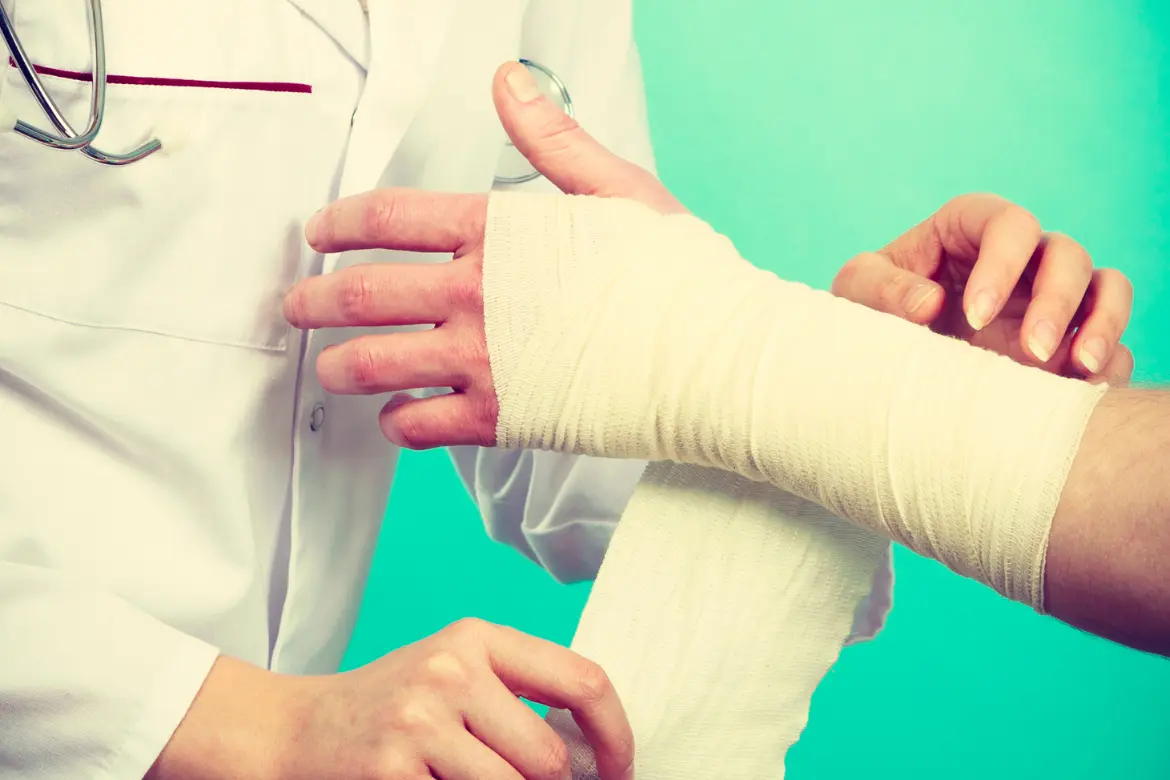
By being aware of the main risk factors for childhood burns in this country, it’s possible to reduce those risks and keep children – and adults – safe. This is the first in a series of articles that will also cover burn prevention, burn treatment and burn after-care.
In South Africa, winter is burn season. And in burn season, the people who most often suffer these painful injuries are children. While no parent should ever feel guilty about the circumstances leading to a child getting accidentally burnt, there are many steps that can be taken to make a home safer for a child.
Burns are extremely painful, often life-threatening injuries that take a long time to heal and often leave the victim with serious, lifelong scarring.
South Africa has a particularly high rate of childhood burns, with as many as 1 300 burn-related deaths each year – and this incidence peaks in the winter months when coal-burning fires are used to heat low-income homes.
“South Africa has a particularly high rate of childhood burns, with as many as 1 300 burn-related deaths each year.”
“The first step in preventing burns is being super vigilant,” says Thokozile Nzama, senior partner in charge of marketing at Umsinsi Health Care.
“Spend some time thinking about the things that burn children – hot plates, hot water, fires – and think about how any of these things are located in your home. Then work out how you can minimise your child’s access to them.”
Burn rates spike in children who are two- to three-years-old and again when children begin school. Both these spikes coincide with a sudden increase in independence, so while it is important to protect a child from burns, it is also important to educate them about what they can and can’t do from a very early age.
These are some of the areas that Nzama says require specific attention:
- Hotplates – especially if these are placed on the floor or a low table. It is very easy for a crawling child to reach for a hotplate or fall onto one on the ground. Try to keep hotplates out of reach or behind a barrier.
- If these are on the floor, the risk of injury is the same as with a hot plate. When these are placed on a low surface, especially if the kettle cord dangles, a child can easily overturn the kettle over themselves.
- Any electrical wires that lead to heating devices. Small children see electrical cords as helpful ropes to pull themselves up with. Always make sure that cords lie against the wall with furniture against them, and never dangling off the edge of a table or cupboard.
- If your child is in the same room as a fire or heater, never leave them alone and never stop watching them. Remember that a child doesn’t have to be walking or even crawling to be mobile.
- Keep lighters, matches and any flammable liquid like paraffin out of your child’s reach. From a very early age, teach them that all these items can hurt them.
- Teach your children to Stop, Drop and Roll if their clothes catch on fire as if these steps are taken quickly, they can prevent bad burning.
- Speak to your child’s day care owner, teacher or principal about what in-school educational steps are taken to make children aware of burn risks, and campaign for better education if none exists.
“It’s important to remember that teaching children about avoiding burns is an ongoing process,” says Nzama. “Don’t tell them once, tell them every day. Remind them of the reasons, don’t just expect them to obey you.
ALSO READ: Burns: how to treat them at home & what you should NEVER do
And even when they seem responsible and cautious, keep being vigilant. It takes a momentary lapse in common sense on their part and attentiveness on yours for something terrible to happen.”
Of course, it’s possible for anyone in a family to suffer a burn injury at any time, so while it’s important to ramp up the vigilance in winter, stay safe and don’t let your guard down throughout the year.



CHECK OUT: How to Handle Burns in Kids from First Aid to Recovery
BabyYumYum FAQs: Who Is Most at Risk for Burns in South Africa?
Why are young children more likely to suffer burns?
Young children are naturally curious and may not recognise danger. They can accidentally pull hot pots off stoves, touch open flames, or spill boiling liquids, especially when left unsupervised.
Are burn injuries common in South Africa?
Yes. South Africa has a high incidence of burn injuries, particularly in low-income areas, where paraffin stoves, open fires, and boiling water are common in daily life.
What are the leading causes of burns in the home?
Common causes include:
- Spilled boiling liquids like tea, soup, or water
- Open flames from candles, stoves, or braais
- Electrical burns from exposed wiring
- Paraffin stove explosions or fuel spills
- Hot surfaces like irons or heaters
Are informal dwellings more at risk?
Yes. Many homes in informal settlements lack proper ventilation, have exposed wiring, and rely on open flames or paraffin for cooking and warmth, greatly increasing the risk of fire and burns.
What safety precautions should families take?
- Use flame-retardant materials where possible
- Install fireguards or screens around heaters and stoves
- Keep fire extinguishers or buckets of sand in the home
- Ensure working smoke alarms, especially in urban settings
- Teach children about fire safety from an early age
What should I do if someone suffers a burn?
- Cool the burn immediately under cold running water for 10–20 minutes
- Remove any tight clothing or jewellery near the burn
- Do not apply butter, oil, or toothpaste
- Cover the area with a clean, non-fluffy cloth
- Seek medical attention, especially for large or blistering burns
Is there support available for burn victims in South Africa?
Yes. Organisations like the Burn Foundation of Southern Africa, Red Cross War Memorial Children’s Hospital, and local hospitals offer medical care, counselling, and rehabilitation services for burn survivors.
Can burn injuries lead to long-term complications?
Yes. Severe burns can result in scarring, mobility issues, infections, and emotional trauma. Early treatment and follow-up care are critical for recovery and rehabilitation.



Disclaimer: This information is for general awareness and does not replace emergency or medical advice. If someone suffers a burn, seek immediate care from a medical professional or emergency service.
