







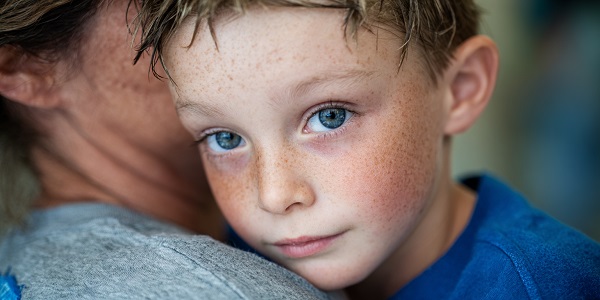
When a child experiences a burn injury, the physical wound is only one part of the story. While medical care rightly focuses on skin healing and infection prevention, the emotional effects can linger long after bandages are removed. Burn injuries are often sudden, painful and frightening. For babies, toddlers and older children alike, the experience can disrupt their sense of safety. For parents, the event frequently triggers intense guilt, anxiety and self-blame. Understanding the emotional impact of burn injuries on children and families is essential for full recovery.
Healing is not only physical. It is psychological, relational and deeply personal.
How Children Experience Trauma After a Burn
Children process trauma differently depending on their age and developmental stage. A toddler may not have the language to describe what happened, but their behaviour may change noticeably. They may become clingy, fearful of certain rooms in the house or distressed during routines that resemble the accident, such as bath time or meal preparation. Older children may replay the incident in their minds, ask repeated questions or develop new anxieties. Some become unusually cautious, while others react with irritability or withdrawal.
Burn injuries often involve intense pain, sudden shock and a loss of control. These elements are central to traumatic experiences. Even when the physical injury heals well, the memory of the event can remain vivid. Children rely heavily on adults to interpret whether the world is safe. A calm, supportive response from caregivers significantly shapes emotional recovery.
The physical damage is dealt with by the medical staff, preferably specialized units, when available. The psychological damage must not be under-estimated and therefore counselling should be sought,” Dr Maraschin, Paediatrician
The Parent’s Emotional Response: Guilt, Shock and Hypervigilance
Parents frequently describe overwhelming guilt after a burn injury, even when the accident was unforeseeable. Thoughts such as “I should have noticed” or “If only I had turned around sooner” can replay repeatedly. This reaction is common and deeply human. When a child is hurt, parents instinctively search for control in hindsight. Unfortunately, this often turns into self-blame.
Some parents become hypervigilant afterwards, constantly scanning for danger and feeling unable to relax. While increased awareness can improve safety, prolonged anxiety can affect family dynamics and parental wellbeing. Acknowledging these feelings without judgement is a critical step. Burn injuries are among the most common household accidents in young children. They do not automatically indicate neglect or failure.
Both injured children and their parents will question “why me”? Accidents happen in a moment and trying to apportion blame cannot prevent this. A prompt response is what is needed rather than blame,” Dr Maraschin, Paediatrician
Fear and Behavioural Changes in Young Children
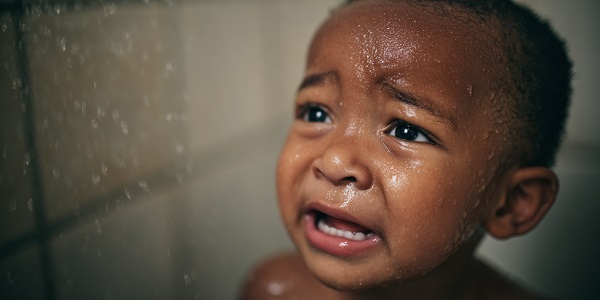
In babies and toddlers, emotional distress often shows through behaviour rather than words. A child who previously enjoyed baths may resist water. A toddler who was comfortable in the kitchen may suddenly avoid it. Sleep disturbances are also common. Night waking, nightmares or difficulty settling can follow a painful injury. Changes in appetite or increased clinginess may occur as well.
These responses are not signs of weakness. They are normal stress reactions. Most children gradually return to baseline behaviour with reassurance, routine and consistent caregiving. Maintaining familiar daily structures helps rebuild a sense of predictability and safety.



Visible Scars and Self-Image in Older Children
When burn injuries result in visible scars, older children may face additional emotional challenges. School-age children are particularly sensitive to differences in appearance. Questions from peers, even if innocent, can feel overwhelming. Children may worry about being stared at or teased. They may avoid activities such as swimming or sports if scars are visible.
Open conversations at home are vital. Allowing a child to express frustration or sadness without dismissing their feelings builds resilience. In some cases, professional counselling can support confidence and coping skills. Family attitudes toward scars play a powerful role. When caregivers speak about healing and strength rather than damage, children often internalise that perspective.
CHECK OUT: How to Handle Burns in Kids from First Aid to Recovery
The Impact on Siblings and Family Dynamics
Burn injuries rarely affect only one child. Siblings may feel frightened after witnessing the incident or anxious that something similar could happen to them. Some may feel overlooked while attention focuses on the injured child. Open family conversations help address these concerns. Explaining what happened in age-appropriate language reassures siblings and reduces misconceptions.
Parents may also experience strain in their relationship with each other. Stress, hospital visits and sleep disruption can intensify tension. Recognising that stress responses are normal allows couples to support rather than blame one another.
Hospitalisation and Medical Procedures as Stressors
For some children, the most distressing part of a burn injury is not the initial accident but the medical treatment that follows. Dressing changes, injections and repeated examinations can be frightening. Hospitals, with unfamiliar smells and sounds, may heighten anxiety. Separation from parents during procedures can intensify fear.
Paediatric burn units often incorporate child-friendly practices to reduce distress, but emotional preparation and comfort from caregivers remain central. Explaining procedures in simple, honest language and offering physical reassurance can significantly reduce anxiety.
When to Seek Professional Psychological Support
Most children recover emotionally with time and supportive caregiving. However, persistent symptoms may indicate a need for professional help. Warning signs include ongoing nightmares, severe avoidance of normal activities, intense separation anxiety, prolonged mood changes or regression in developmental milestones.



In South Africa, parents can consult paediatricians, clinical psychologists or child counsellors for guidance. Early intervention supports resilience and prevents longer-term difficulties. Seeking help is not an admission of failure. It is an act of protection.
Rebuilding a Sense of Safety
After a burn injury, rebuilding safety involves both practical and emotional steps. Children benefit from seeing caregivers remain calm and confident. Gradual reintroduction to previously feared environments, paired with reassurance, helps retrain the nervous system.
Parents may also need to restore their own confidence. Speaking with other families who have experienced similar injuries can reduce isolation. Many parents find relief in learning how common household burn injuries are and how well most children recover. Over time, the incident becomes one chapter in a much larger story.
All child minders should be trained in CPR and first aid. This will ensure that the child receives immediate first line care should an accident happen. – Dr Maraschin, Paediatrician
Hope and Recovery
The emotional impact of burn injuries on children and families can feel overwhelming in the early days. Yet resilience in young children is remarkable. With attentive care, medical support and emotional reassurance, most children regain their confidence and continue to thrive. Families often report that difficult experiences deepen empathy, strengthen bonds and increase awareness. While no parent wishes for such a lesson, many emerge more connected and more intentional. Burn injuries leave marks, but they do not define a child’s future.
Prevention of childhood injuries should start with making your home child safe. With that in place, no house is ever 100% child safe. – Dr Maraschin, Paediatrician
