







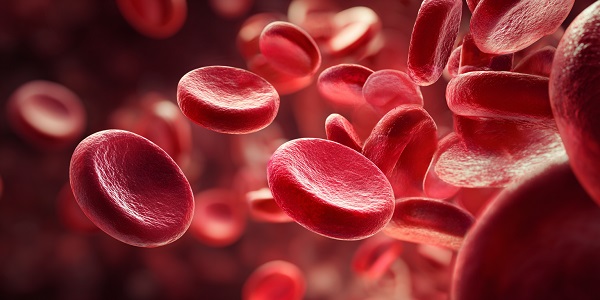
On 17 April, World Haemophilia Day shines a spotlight on a condition many people have heard of, but few truly understand. This year’s theme, “Diagnosis: First step to care”, could not be more important. Because for someone living with haemophilia, what looks like a minor injury to others can quickly become something far more serious.
For most people, a small cut, a bumped knee, or even a trip to the dentist is nothing more than an everyday moment that comes and goes. However, for someone with a bleeding disorder, those same moments can bring real risk. That’s why a diagnosis isn’t just paperwork; it’s protection, planning and a life-changing event.
In South Africa, where access to specialised healthcare can vary widely, early and accurate diagnosis is often the difference between preventable complications and lifelong damage.
Understanding Haemophilia Beyond the Basics
Haemophilia is a rare inherited bleeding disorder in which the blood does not clot properly due to a deficiency in clotting factors, most commonly factor VIII or IX. This means bleeding can last longer than usual, whether external or internal.
Internal bleeding, particularly into joints and muscles, is one of the most serious complications. Repeated joint bleeds can lead to chronic pain and long-term damage. Without treatment, what begins as a manageable condition can become disabling.
Haemophilia primarily affects males, though females can be carriers and may also experience symptoms. The condition is lifelong, but with proper care and treatment, people with haemophilia can live full and active lives.
Why Diagnosis Truly Is the First Step to Care
Without a Diagnosis, There Is No Protection
Imagine driving without knowing your brakes are faulty. You would not prepare for steep hills or sudden stops. Living without a haemophilia diagnosis is similar. Families may not understand why bruising is excessive or why bleeding seems prolonged. Diagnosis provides clarity. It transforms confusion into action. When doctors identify haemophilia early, they can introduce clotting factor replacement therapy and preventative care. This dramatically reduces the risk of severe bleeding episodes.
Early Diagnosis Protects Children
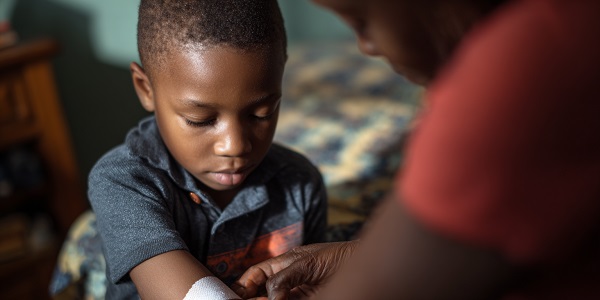
Many children with haemophilia are diagnosed in infancy or early childhood, often after prolonged bleeding from circumcision, immunisation injections or minor injuries. Early diagnosis allows families to learn how to manage bleeding episodes safely. Parents can prepare. Schools can be informed. Emergency plans can be established. Knowledge becomes empowerment.
Late Diagnosis Comes With Consequences
In some parts of South Africa and globally, haemophilia remains underdiagnosed. Limited access to specialised testing means some individuals only receive a diagnosis after serious complications. Repeated untreated joint bleeds can lead to permanent damage before the condition is even recognised. World Haemophilia Day 2026 reminds us that no one should suffer preventable harm because of a delayed diagnosis.
Haemophilia in the South African Context
South Africa has made progress in managing bleeding disorders through dedicated treatment centres and partnerships with organisations such as the World Federation of Haemophilia. However, disparities remain. Rural communities may face long travel distances to access specialised care. Awareness among general healthcare providers may vary. Families may not immediately recognise warning signs. World Haemophilia Day is an opportunity to strengthen awareness across communities, clinics and schools. Because awareness leads to earlier testing and earlier testing leads to better outcomes.



Modern Treatment Offers Real Hope
Haemophilia treatment has evolved significantly over the years. Clotting factor replacement therapy, administered intravenously, allows individuals to manage bleeding episodes effectively. Some patients receive regular preventative infusions to reduce spontaneous bleeds. Advances in gene therapy research also offer promising possibilities for the future, aiming to reduce or eliminate the need for frequent treatment. However, none of these advancements matters without diagnosis. You cannot treat what you do not identify.
Living Well With Haemophilia
A haemophilia diagnosis is not the end of possibilities. With proper medical support, children can attend school, adults can pursue careers and families can plan for the future. Physical activity is encouraged with guidance. Protective measures can reduce risk. Education empowers individuals to recognise early signs of bleeding and act quickly. The key is informed care rather than fear-driven restriction.
Frequently Asked Questions
When is World Haemophilia Day observed?
World Haemophilia Day is observed on 17 April.
What causes haemophilia?
Haemophilia is caused by a genetic mutation that affects clotting factor production, most commonly factor VIII or IX.
Can haemophilia be cured?
There is currently no permanent cure, but modern treatments effectively manage the condition and significantly improve quality of life.
What are the common signs of haemophilia?
Frequent unexplained bruising, prolonged bleeding from minor injuries, nosebleeds and joint swelling are common signs.
Why is early diagnosis so important?
Early diagnosis allows for preventative treatment, reduces complications and protects joints and overall health.
Conclusion: Diagnosis Is More Than a Label
World Haemophilia Day reminds us that when a small cut is not small, knowledge becomes lifesaving. Diagnosis is not just a medical term. It is the doorway to care, to treatment and to protection. Without it, families navigate uncertainty. With it, they gain tools, plans and hope. On 17 April, raise awareness. Encourage testing when symptoms appear. Support families affected by bleeding disorders. Because the first step to care is recognising the condition in the first place.



CHECK OUT: Childhood Illnesses Glossary: Over 100 Essential Terms and Definitions
