







Measles is a highly contagious childhood illness that many parents assume is no longer a serious concern. In recent years, however, measles has been making a return in many parts of the world, including South Africa. Understanding how measles spreads, what symptoms to watch for, and how vaccination protects children can help parents act quickly and confidently.
What Is Measles (Rubeola)?
Measles, also known as rubeola, is a viral infection that mainly affects young children but can infect people of any age who are not protected through vaccination or prior infection. The illness attacks the respiratory system first and then spreads throughout the body. It is not the same as German measles (rubella), which is caused by a different virus. Measles can be serious, especially in babies, young children, and those with weakened immune systems.
CHECK OUT: Rubella: The Quiet Threat in the Age of Measles
What Causes Measles?
The disease is caused by a highly contagious virus that spreads easily through the air when an infected person coughs, sneezes, or even talks. It can linger in the air or on surfaces for up to two hours after an infected person has left the room.
A child can get measles by:
- Breathing in air that contains the virus
- Touching a contaminated surface and then touching their mouth, nose or eyes
Measles is one of the most contagious viruses known.
Why Is Measles Coming Back?
Many parents are asking why measles is coming back after years of low case numbers.
Health authorities point to several reasons:
- Missed routine childhood vaccinations
- Delays in vaccination schedules
- Reduced access to healthcare services
- Vaccine hesitancy or misinformation
- International travel is spreading the virus to areas with low immunity
When vaccination levels drop in a community, measles can spread quickly because the virus needs very few unprotected people to cause an outbreak.
What Are the Symptoms of Measles?
The symptoms of measles usually appear seven to 14 days after exposure. Early symptoms often look like a common cold, which is why measles can be missed at first.
Early symptoms include:



- Fever, often high
- Runny nose
- Cough
- Red, watery eyes
- Feeling tired and unwell
A few days later, a rash appears. The rash usually starts on the face and behind the ears, then spreads down the body to the arms and legs. Small white spots inside the mouth, known as Koplik spots, may appear before the rash and are a classic sign of measles.
What Are the 4 Stages of the Measles?
The first stage is the incubation period. This lasts about 10 to 14 days after exposure with no visible symptoms.
The second is the prodromal stage. This is when fever, cough, runny nose, red eyes and general illness begin.
The third is the rash stage. A red, blotchy rash appears and spreads over the body. Fever often peaks during this stage.
The fourth stage is recovery. The rash fades, symptoms slowly improve, and the child begins to regain energy.
How Long Does Measles Last?
From the first symptoms to full recovery, measles usually lasts about two to three weeks. The rash itself typically lasts around five to six days. Some children may feel tired or weak for several weeks after the infection, especially if complications occurred.
Treatment of Measles
There is no specific antiviral medication that kills the measles virus. The treatment of measles focuses on relieving symptoms and preventing complications.
Supportive care may include:



- Rest
- Plenty of fluids to prevent dehydration
- Fever control with paracetamol, as advised by a healthcare professional
- Monitoring for complications such as ear infections or pneumonia
Vitamin A supplementation may be recommended in some cases, especially for young children, as it can reduce the severity of measles.
How Do You Treat Measles in Children?
Treatment depends on the child’s age, overall health and severity of symptoms. Mild cases can often be managed at home under medical guidance, while severe cases may require hospital care. Children with measles should be kept away from others to prevent spreading the virus. Parents should contact a healthcare provider as soon as measles is suspected so appropriate advice can be given.
Can Measles Be Cured?
Measles usually resolves on its own, but no cure directly eliminates it. Most children recover fully with supportive care. However, measles can lead to serious complications, including pneumonia, diarrhoea, ear infections and, in rare cases, brain inflammation. This is why prevention through vaccination is so important.
When Do Kids Get the Measles Vaccine?
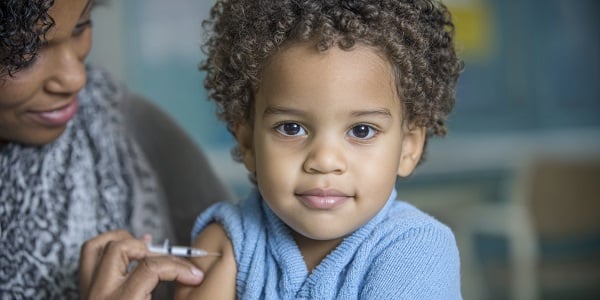
A very common question is when do kids get the measles vaccine. In South Africa, measles vaccination is part of the routine childhood immunisation schedule. Children typically receive:
- The first dose at around 6 months during outbreaks or nine to 12 months routinely
- A second dose later in early childhood
The measles vaccine is often given as part of the MMR vaccine, which protects against measles, mumps and rubella. Parents should check their child’s Road to Health booklet or speak to a healthcare provider to confirm vaccination status.
TAKE A LOOK AT: South African Childhood Vaccination Schedules: Public vs Private
Can You Get Measles If You’re Vaccinated?
While the measles vaccine is highly effective, no vaccine offers 100% protection. A small number of vaccinated people can still get measles, but the illness is usually much milder and complications are far less likely. Two doses of the measles-containing vaccine provide the best protection and significantly reduce the risk of outbreaks in communities.
Why Vaccination Matters for Community Protection
High vaccination coverage protects not only individual children but also babies who are too young to be vaccinated and children with medical conditions that prevent vaccination. This concept, known as herd immunity, helps stop the spread of measles in schools, crèches and communities. When vaccination rates fall, measles can spread rapidly, even in areas where it was previously under control.
When to Seek Medical Help
Parents should seek medical care urgently if a child:
- Has a high fever that does not improve
- Has difficulty breathing
- Is unusually drowsy or confused
- Shows signs of dehydration
- Develops seizures or severe complications
Early medical advice can reduce the risk of serious outcomes.
