







Should You Limit Nuts for Kids? Here’s What Parents Must Know

by The Conversation
Should You Limit Nuts for Kids? Here’s What Parents Must Know

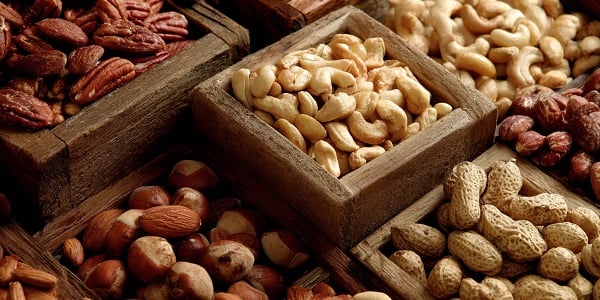
Many parents worry about whether they should limit nuts because of the fat content, especially when trying to encourage healthy eating habits. It’s easy to feel uncertain when “fat” sounds like something to avoid even though children need it for brain growth and energy. The truth is that most kids don’t need you to limit nuts strictly - these healthy fats support development, keep them full and offer valuable nutrients. What matters is portion size, safety and choosing nuts that fit your child’s age and needs, writes Nick Fuller, University of Sydney.

READ THIS ARTICLE FOR FREE!

Let’s be honest! Parenting isn’t all cuddles and cupcakes. It’s also chaos, coffee and Googling “is it normal if my toddler eats crayons?” at 2AM. That’s why we built a BabyYumYum Membership Subscription – your smart, supportive sidekick for the messy, magical ride of parenting.

When you join, you unlock:
🚀 Expert advice without the boring bits
💡 Real stories, real laughs, real connection
📘 Downloads, checklists & life-saving parenting tips
💝 Exclusive discounts and benefits for you and your family

Because raising tiny humans is hard work but with the right team (that’s us!), it gets a whole lot easier.

When I mention kids and nuts in the same sentence, some parents react like I’ve dropped the F-bomb, thanks to the association of nuts with two other F-words: fat and fear.

Parents sometimes avoid nuts due to claims they cause unwanted weight gain or trigger life-threatening allergies.

But nuts are good for kids – and avoiding them can do more harm than good.

The fats in nuts are healthy fats

Decades of exposure to the diet industry’s relentless low-fat marketing have led parents to believe that all fats are bad. But this isn’t the case.

Nuts are packed with fats, but it’s the healthy type: unsaturated fat. It supports heart and digestive health, and reduces inflammation.

Nuts provide essential nutrients children need for healthy growth, including the omega-3 fatty acids younger kids need for brain, nerve and vision development. They are also one of the richest sources of dietary polyphenols or antioxidants, which have a range of potential health benefits, including cancer prevention.

Nuts contain fibre, protein and good fats, which take longer to digest, satisfying kids’ hunger and making them feel fuller for longer. In fact, up to 20% of the energy in nuts isn’t absorbed, but still provides feelings of fullness.

The high fibre content also helps kids with regular and easier bowel movements.

This means nuts actually help manage kids’ weight, with research showing eating more nuts is linked to a lower risk of being overweight.


The Lily Rose Collection
BYY Premium Bennetts Hamper Givaway
The Lily Rose Collection
PregOmega Platinum Launch
BabyYumYum Premium Membership

What about the allergy risk?

Nut allergies are becoming more common and understandably can cause parents great concern.

But research shows consuming nuts in appropriate forms from a young age can actually reduce the chance of having a nut allergy, including among those at high risk (such as when a family member has an allergy).

Another study found regularly feeding peanuts from infancy reduced the rate of peanut allergies in adolescence by 71%.

To reduce the risk of allergies, introduce nuts as early as possible to your child’s diet – ideally between four and six months – in the form of 100% nut spreads to prevent choking.

Start by smearing a small amount of 100% smooth peanut butter on the inside of the lip and monitor for 30 minutes. If there’s no reaction, double the quantity (¼ teaspoon) and monitor for another 30 minutes. You can then repeat this process increasing to ½ teaspoon.

If this goes well, you can include 100% nut butters in your child’s diet, increasing the amount offered weekly.

If you have a family history of allergies, introduce nuts in consultation with your GP. If your child does have a reaction, mild to moderate reactions can be treated using non-sedating antihistamines. If the child has any symptoms of anaphylaxis, call an ambulance immediately and treat them with an EpiPen if one is available.

What should you do?

Allowing kids to enjoy nuts – nature’s treats – helps keep unhealthy processed foods out of their diets.


PregOmega Platinum Launch
BabyYumYum Premium Membership
The Lily Rose Collection
BYY Premium Bennetts Hamper Givaway

There’s no need to limit them because kids are extremely good at regulating their calorie intake across the course of the day.

When nuts are no longer a choking hazard (between the age of three and five years), I’d suggest serving them a large handful every day. Before that, they can eat nuts as pastes or finely crushed and mixed into food to prevent choking.

Adults often avoid eating nuts themselves due to concerns about their high energy content, fearing they might lead to weight gain. However, research suggests this fear may be unfounded. Studies show even relatively large servings – up to 100 grams per day – are linked to modest reductions in body weight and fat mass.

While Australia’s current dietary guidelines recommend limiting intakes of nuts, this no longer reflects the evidence and should be revised when the guidelines are updated next year.

Should You Limit Nuts for Kids? Here’s What Parents Must Know

Take-home tips

Nuts are a powerhouse of nutrition, but getting kids to eat them can be a challenge.

All nut varieties offer health benefits, so include a mixture to keep things interesting. Choose raw or dry-roasted, unsalted options to avoid added oil and salt creeping into kids’ diets.

If they reject them the first time, try again. Research shows kids need eight to ten exposures before they willingly eat new foods. So offer them regularly, encourage tasting and don’t pressure them to eat.

To help incorporate more nuts into children’s snacks and meals, start with milder, more familiar varieties such as cashews, almonds, or peanuts. These tend to have a softer texture and sweeter flavour, making them more appealing to younger palates.

More robust or bitter varieties – such as walnuts, pecans or Brazil nuts – can be introduced gradually, mixed into other foods or baked into recipes to balance their stronger taste and firmer texture.

Nick Fuller is the author of Healthy Parents, Healthy Kids – Six Steps to Total Family Wellness. His free, practical recipe ideas, such as Easy Granola and Tahini Nut Bars, can be found at feedingfussykids.com.The Conversation

Nick Fuller, Clinical Trials Director, Department of Endocrinology, RPA Hospital, University of Sydney

This article is republished from The Conversation under a Creative Commons license. Read the original article.

TAKE A LOOK AT: It’s Time To Talk Poop: How To Help Your Child With Constipation
Should You Limit Nuts for Kids? Here’s What Parents Must Know

BabyYumYum FAQ’s: Should You Limit Nuts for Kids? Here’s What Parents Must Know

Are nuts healthy for children?

Yes. Nuts provide healthy fats, protein, fibre, vitamins and minerals that support brain development, immunity, and steady energy levels. They are a nutritious part of a child’s diet when served safely.

Should nuts be limited because they contain fat?

No. The fats in nuts are mostly heart-healthy unsaturated fats, which are good for growing children. Nuts only become an issue if eaten in very large amounts or replace balanced meals.

How much is a healthy portion of nuts for kids?

A small handful (about 10–15 nuts) is usually enough for school-aged children. Younger kids should have smaller portions depending on appetite and dietary needs.

Are whole nuts safe for young children?

Whole nuts are a choking hazard for children under 5 years old. Nut butters, finely ground nuts, or nut pastes are safer alternatives for toddlers.

Can eating nuts cause weight gain?

Only if eaten excessively. Nuts are calorie-dense but filling, so they help prevent overeating. Portion control and balance are key.

What about nut allergies – should parents avoid nuts just in case?

No. In fact, research shows that early introduction of nuts (in safe forms) can help reduce allergy risk. If your child has a family history of allergies, speak to a doctor first.

Are nuts allowed in school lunches?

Some South African schools have nut-free policies due to severe allergies. Always check with your child’s school before packing nuts or nut-based snacks.

Which nuts are best for kids?

Almonds, cashews, peanuts*, pistachios, macadamias, and walnuts all offer different nutrients. (*Peanuts are technically legumes but are treated as nuts nutritionally.)

Is peanut butter a good alternative?

Yes. Peanut butter is nutritious, affordable, and easy for young children to eat. Choose options with no added sugar or hydrogenated fats when possible.

Can nuts replace protein in meals?

Nuts are a great plant-based protein, but kids still benefit from a variety of protein sources. Nuts should complement, not replace, other foods.

Are flavoured or salted nuts okay?

Occasionally. Salted, sugary, or coated nuts should be limited because of added sodium and sugar. Plain or lightly roasted nuts are healthier choices.

What’s the best way to encourage kids to enjoy nuts?

Add nuts to yoghurt, sprinkle them on oats, mix them into fruit bowls or offer nut butters with apple slices or crackers. Keep it fun and varied.

ALSO READ: What To Do When Your Child Has a Sudden Severe Allergic Reaction or Anaphylactic Shock

Disclaimer: This information is for general nutritional guidance only and does not replace professional medical advice. If your child has allergies, digestive issues or dietary concerns, please consult a paediatrician or registered dietitian.

Get trusted, parent-approved advice at your fingertips. Premium gives you expert guidance, real world tips and member only downloads. Try it out for unlimited access, exclusive content and helpful parenting tools.

Premium Content Membership

You may select only one level from this group.

Level Price Action
Premium Membership

R 29.00 per Month.

Select
Monthly Premium Membership

R 29.00 per Month.

Select
Annual Premium Membership

R 300.00 per Year.

Select
Sign up now to the BabyYumYum Premium Membership
The Lily Rose Collection
Kids & Baby Expo 2026

Related Articles

Leave a Comment