







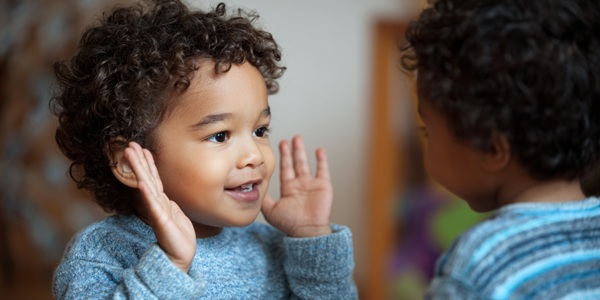
Children growing up in multilingual households, where more than one language is spoken regularly may exhibit signs of Autism Spectrum Disorder (ASD) in ways that prompt earlier recognition and assessment. In multilingual contexts, differences in social communication, language development or interactive responses can become more noticeable when the child is navigating multiple linguistic systems. Research shows that multilingual exposure doesn’t hinder children with ASD and may even support stronger executive‑function skills, adding clarity to developmental profiles. For parents and educators, understanding this link offers a valuable opportunity: recognising atypical patterns early and seeking timely support. Want to explore how being in a bilingual or multilingual environment can influence the diagnostic journey and what signs to watch for and identify ASD in your child?
Subscribe to BabyYumYum.com Premium Membership to read this article and get full digital access to exclusive parenting articles, helpful downloads, celebrity interviews, expert insights, vouchers and discounts, competitions, product reviews and so much more!
