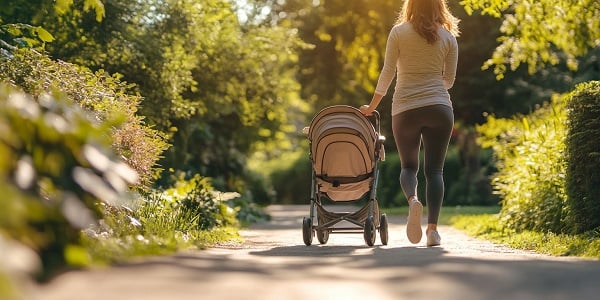




Regaining your pre-baby body after childbirth is a goal many mothers share, but it comes with physical and emotional challenges. The process demands time, consistency, and a deep respect for the journey your body has been through. These seven effective strategies support safe and sustainable postpartum weight loss while enhancing overall wellbeing.
1. Eat Nutrient-Rich Foods That Nourish and Rebalance
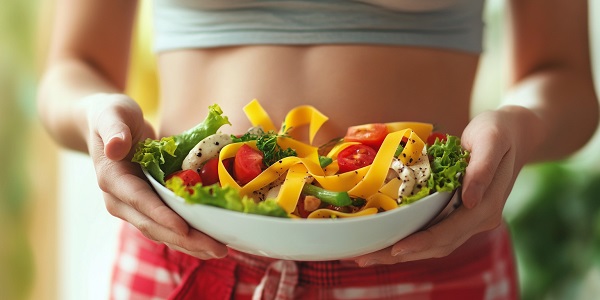
A nourishing, well-balanced diet plays a critical role in postpartum recovery and healthy weight loss. Rather than depriving yourself, focus on whole, nutrient-dense foods that fuel your body and promote healing.
Include a colourful variety of fresh fruits and vegetables, whole grains like quinoa and oats, and lean proteins such as fish, chicken, legumes, and eggs. These foods help regulate blood sugar, control appetite, and provide lasting energy—especially important for mothers juggling the demands of newborn care.
Don’t avoid healthy fats; sources like avocado, nuts, seeds, and olive oil help stabilise hormones and support metabolic health. Staying well-hydrated with at least 2 litres of water per day aids digestion, reduces bloating, and may even curb unnecessary snacking.
ALSO READ: Protein Needs in Pregnancy – A Guide to Eating Right
2. Reintroduce Exercise Slowly and Safely
Postpartum exercise is essential, but must be approached with caution and care. Once cleared by your doctor or midwife, begin with gentle, low-impact movements that rebuild strength and restore confidence.
Start with walking, postnatal yoga, or light stretching to ease back into movement. These exercises help improve circulation, boost energy levels, and reduce stress without placing undue strain on your recovering body.
As stamina increases, gradually incorporate strength training with light resistance bands or bodyweight movements like squats and modified planks. Prioritise exercises that engage your core and glutes, helping to realign posture and rebuild muscle tone.
ALSO READ: Exercising again & taking care of your postpartum body
3. Strengthen the Core and Pelvic Floor
Pregnancy and delivery weaken the abdominal and pelvic floor muscles, making it important to restore function and support in these areas. Rebuilding core strength enhances stability, could reduce back pain, and improves body alignment.
Start with simple pelvic floor exercises such as Kegels, which involve gently contracting and relaxing the muscles that control urination. Perform these exercises daily to improve bladder control and internal strength.
For abdominal rehabilitation, try exercises like pelvic tilts, heel slides, and deep core breathing, all of which can safely reactivate deep core muscles. Avoid crunches and high-impact movements until your abdominal muscles are ready to handle increased load.





4. Get as Much Sleep as Possible
Quality sleep directly affects hormone balance, metabolism, and appetite. While uninterrupted rest may seem impossible with a newborn, fragmented sleep still contributes positively to postpartum recovery.
Try to rest when your baby naps, and delegate household responsibilities where possible. If you’re breastfeeding at night, consider alternating shifts with your partner or using pumped milk for one feeding session to gain a longer stretch of sleep.
Sleep deprivation increases levels of cortisol, a stress hormone linked to weight retention and emotional eating. Even small improvements in rest can enhance energy levels, mood, and overall fat metabolism.
ALSO CHECK OUT: The link between cortisol and stress
5. Regulate Stress with Daily Mindfulness and Support
The emotional toll of new motherhood can be overwhelming. High stress levels trigger the release of hormones that encourage fat storage and reduce motivation to exercise or eat well. Stress management is vital to the postpartum journey.
Use mindfulness tools to calm your nervous system. Deep breathing exercises, short guided meditations, or even five minutes of quiet reflection can lower anxiety and improve mental clarity.
Don’t hesitate to ask for help. Lean on your partner, family or friends, and explore postpartum support groups—whether in-person or online. Talking openly about your experiences can alleviate emotional pressure and create a healthier mindset for weight loss.
6. Set Measurable Goals and Track Progress Without Obsession
Setting clear and realistic goals helps maintain focus and motivation. Aim for gradual, steady progress that is a safe and sustainable rate of weight loss. Avoid crash diets or extreme regimens that can disrupt hormonal balance or impact milk supply.
Track your food, movement, and sleep using journals or mobile apps. These tools offer insights into what’s working and where you might need adjustment, keeping you accountable without pressure.
Rather than only focusing on weight, consider measuring progress through clothing fit, energy levels, strength improvements, or mental wellbeing. Celebrate every step forward—small victories add up to lasting transformation.
7. Consult Experts Specialising in Postpartum Recovery
Getting professional guidance tailored to your individual needs can make a remarkable difference in your progress. A registered dietitian can craft a meal plan that supports breastfeeding and weight loss, while a postnatal physiotherapist can assist with pelvic floor rehabilitation and core strengthening.
If you’re dealing with diastasis recti (abdominal separation), prolapse, or postnatal depression, expert intervention is essential. A certified personal trainer specialising in postpartum fitness can help design a gradual programme that respects your body’s recovery timeline.
Working with specialists ensures that every step you take is safe, effective, and aligned with your personal health goals.
Final Thoughts on Regaining Your Pre-Baby Body
Losing postpartum weight is not about bouncing back—it’s about moving forward with strength and self-compassion. Your body has performed a powerful, life-giving role. Rather than rushing the process, embrace small, intentional choices that honour your recovery and wellbeing.
The key to long-term success lies in consistency. Nourish yourself, move regularly, manage your stress, sleep as much as possible, and seek help when you need it. With time, dedication, and patience, your body will respond—and you’ll regain far more than just your pre-baby physique. You’ll gain strength, confidence, and the energy to fully embrace this next chapter.
FAQ’s on Postpartum Weight Loss and Regaining Pre-Pregnancy Fitness
When is it safe to start losing weight after childbirth?
It’s advisable to wait until your six-week postnatal check-up before initiating any weight loss efforts. This allows your body adequate time to recover from childbirth. Always consult with your healthcare provider before starting any weight loss or exercise programme.
Can breastfeeding assist with postpartum weight loss?
Yes, breastfeeding can aid in weight loss as it burns additional calories. However, it’s essential to maintain a balanced diet to ensure sufficient energy and nutrient supply for both you and your baby.
How important is nutrition in postpartum weight loss?
A nutrient-rich diet is crucial. Focus on consuming plenty of fruits, vegetables, whole grains, and lean proteins. Avoid restrictive diets, especially if breastfeeding, to maintain milk production and overall health.
Is it normal to lose some weight straight after birth?
Yes, most women lose around 5 to 6kg immediately after birth, which includes the baby, placenta, and fluids. The rest of the weight is lost more gradually through healthy eating and activity over time.
How long does it usually take to get back to pre-pregnancy weight?
There is no fixed timeframe—it varies between individuals. Many women lose the bulk of pregnancy weight by 6–12 months postpartum, but others may take longer. Focus on sustainable habits, not the scale.
Are diet pills or extreme diets safe while breastfeeding?
No, extreme diets or weight-loss supplements are not recommended. They can interfere with milk production and may be harmful to your baby. Choose natural, balanced nutrition and speak to a healthcare provider before making any drastic changes.
Should I compare my progress with others?
No, every postpartum journey is unique. Social media often shows only the highlights. Instead, focus on your own health, well-being, and progress—mentally and physically.
References:
- Medela SA – What to eat while breastfeeding
- Association for Dietetics in South Africa (ADSA)
- La Leche League International – Weight loss & breastfeeding
- American College of Obstetricians and Gynecologists – Exercise after pregnancy
- Healthline – Postpartum diet and nutrition
- Fitness Australia – Pre- and postnatal exercise guidelines (PDF)
- National Library of Medicine – Sleep and postpartum weight retention