



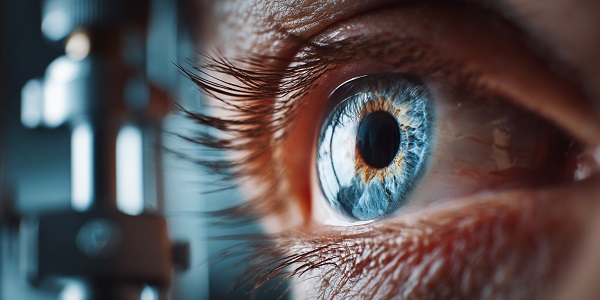
World Glaucoma Day is a global reminder that vision, once lost, cannot always be restored. Glaucoma is often called the “silent thief of sight” because it develops gradually and without obvious symptoms in its early stages. By the time many people realise something is wrong, irreversible damage may already have occurred.
That is precisely why awareness matters. On World Glaucoma Day, observed as part of World Glaucoma Week each March, the focus shifts to education, prevention and early detection. The more we understand this condition, the better chance we have of protecting our vision and encouraging others to do the same.
Let us explore seven important facts that might just change the way you think about your eye health.
1. Glaucoma Is One of the Leading Causes of Irreversible Blindness
Glaucoma is a group of eye diseases that damage the optic nerve, usually due to increased pressure inside the eye. According to the World Health Organization, glaucoma is one of the leading causes of blindness worldwide. Unlike some other vision problems, the damage caused by glaucoma cannot be reversed. Treatment can slow or prevent further vision loss, but it cannot restore what has already been lost. This makes early diagnosis absolutely critical. You would not ignore a slow leak in your roof, knowing it could eventually collapse the ceiling. Glaucoma works similarly, silently weakening the structures that allow you to see.
2. You Can Have Glaucoma Without Knowing It
One of the most concerning aspects of glaucoma is how quietly it develops. In its most common form, known as open-angle glaucoma, there are often no early warning signs. Peripheral vision is typically affected first, which means changes can go unnoticed for years. By the time central vision becomes impaired, significant damage has usually occurred. Regular comprehensive eye examinations are therefore essential, particularly for people over the age of 40 or those with additional risk factors.
3. Anyone Can Develop Glaucoma, but Some People Are at Higher Risk
While glaucoma can affect anyone, certain factors increase the likelihood of developing the condition. These include a family history of glaucoma, increasing age, diabetes, high blood pressure and prolonged use of corticosteroid medications. People of African descent are also at higher risk and may develop glaucoma at a younger age. Understanding these risk factors allows individuals to take proactive steps, including scheduling more frequent eye checks.
4. Eye Pressure Is Only Part of the Story
Many people associate glaucoma purely with high intraocular pressure. While elevated eye pressure is a significant risk factor, glaucoma can also develop in individuals with normal pressure levels. This condition is known as normal tension glaucoma. Because glaucoma is not solely defined by pressure readings, comprehensive examinations that assess the optic nerve and visual field are vital. An eye test is not just about reading letters on a chart. It is about examining the health of structures you cannot see in the mirror.
5. Early Treatment Can Preserve Vision
Although there is currently no cure for glaucoma, treatment options are effective when the condition is detected early. These may include prescription eye drops, laser therapy or surgery, all designed to lower intraocular pressure and prevent further optic nerve damage. The goal of treatment is preservation, not restoration. Think of it as pressing pause rather than rewind. Acting quickly can make the difference between maintaining functional vision and facing severe impairment later in life.
6. Glaucoma Affects Quality of Life Beyond Vision
Vision loss impacts far more than eyesight alone. It can affect mobility, independence, confidence and mental health. Individuals with advanced glaucoma may struggle with driving, navigating unfamiliar spaces or recognising faces, which can lead to social withdrawal and increased anxiety. Raising awareness on World Glaucoma Day is not only about preventing blindness. It is about protecting overall wellbeing and independence, especially among older adults who may already face other health challenges.
7. Regular Eye Examinations Are Your Best Defence
The most powerful tool against glaucoma is not a new medicine or groundbreaking surgery. It is routine eye care. Comprehensive eye examinations can detect early signs of optic nerve damage before noticeable symptoms develop. Eye specialists use a combination of tests, including tonometry to measure eye pressure, visual field tests and imaging of the optic nerve. These assessments are quick and painless yet potentially life-changing. If you have not had a full eye examination in the past two years, World Glaucoma Day 2026 is the perfect prompt to book one.
ALSO READ: 5 Serious Eye Conditions in Children You Should Know About





Why World Glaucoma Day 2026 Matters More Than Ever
As global populations age, the number of people living with glaucoma continues to rise. Public awareness campaigns play a crucial role in encouraging early testing and reducing preventable blindness. World Glaucoma Day is also an opportunity to have conversations within families. Because glaucoma can run in families, encouraging relatives to get tested could help protect their sight as well. Vision connects us to our surroundings, our loved ones and our sense of independence. Protecting it should not be an afterthought.
Frequently Asked Questions
When is World Glaucoma Day 2026 observed?
World Glaucoma Day is observed on 12 March each year as part of World Glaucoma Week, which takes place in the same month.
Is glaucoma curable?
There is no cure for glaucoma at present. However, early detection and treatment can significantly slow or prevent further vision loss.
How often should I have my eyes tested?
Adults over 40 should have comprehensive eye examinations every one to two years, or more frequently if recommended by an eye care professional.
Does glaucoma always involve high eye pressure?
No. While elevated eye pressure is common, some people develop glaucoma even with normal pressure levels.
Can young people develop glaucoma?
Although more common in older adults, glaucoma can occur at any age, including in infants and young adults, particularly if there is a family history.
Conclusion: Protect Your Sight Before It Is Too Late
World Glaucoma Day 2026 is not about fear. It is about empowerment through knowledge. Glaucoma may be silent, but awareness does not have to be. If there is one action to take today, let it be this. Schedule a comprehensive eye examination and encourage those you care about to do the same. Early detection can preserve vision and maintain independence for years to come. Do not wait for blurred edges or dimmed vision to remind you how precious your sight truly is.
References
World Health Organization. Blindness and vision impairment https://www.who.int/news-room/fact-sheets/detail/blindness-and-visual-impairment
International Agency for the Prevention of Blindness. Glaucoma overview https://www.iapb.org/learn/knowledge-hub/eye-conditions/glaucoma/
Glaucoma Research Foundation https://www.glaucoma.org
