


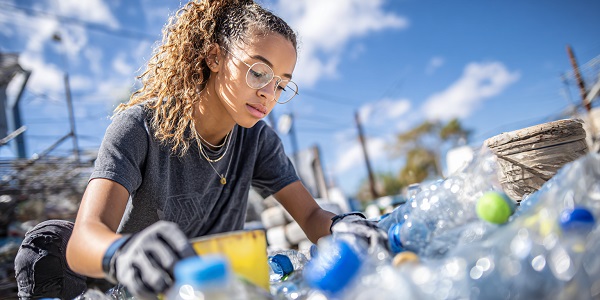
In a world facing escalating environmental challenges, the role of teenagers in safeguarding our planet has never been more critical. From climate change to biodiversity loss, the issues are pressing, and the urgency is palpable. Yet, amid these challenges lies a powerful force for change: the energy, creativity, and determination of young people. Teenagers today are not just passive recipients of the world around them; they are active participants, innovators and leaders in the fight for a sustainable future.
The Power of Youth in Environmental Advocacy
Across the globe, teenagers are stepping up to address environmental issues, challenging the status quo and demanding action from leaders and institutions. In South Africa, this movement is gaining momentum, with young activists leading the charge.
Youth-Led Movements in South Africa
Organisations like the African Climate Alliance (ACA) exemplify the impact of youth-led initiatives. The ACA is a grassroots, youth-led movement advocating for Afrocentric climate justice, empowering young people to take action and influence policy decisions.
Inspiring Young Activists
Individuals such as Yola Mgogwana, a climate activist from Khayelitsha, Cape Town, have become symbols of youth-led environmental advocacy. Starting her activism at the age of 11, Mgogwana has been instrumental in raising awareness about pollution and climate change, inspiring countless other young people to join the movement.
The Role of Education in Environmental Awareness
Educational institutions play a pivotal role in shaping the environmental consciousness of teenagers. Integrating environmental studies into school curricula can provide students with the knowledge and skills necessary to understand and address ecological issues. Programs that involve students in hands-on activities, such as school gardens or sustainability projects, can enhance their learning experience and foster a sense of responsibility towards the environment.
The Influence of Social Media on Teen Environmental Activism
In the digital age, social media platforms serve as powerful tools for teenagers to engage in environmental activism. Platforms like Instagram, TikTok and X (formerly Twitter) allow young individuals to share information, organise events and mobilise peers for environmental causes. Hashtags like #FridaysForFuture and #YouthForClimate have gained global traction, demonstrating the significant impact of online activism.
Why Teenagers Should Care
The reasons for teenagers to engage in environmental care are manifold, encompassing personal, societal and global dimensions.
1. Personal Impact
Teenagers are inheriting the consequences of today’s environmental decisions. Issues like climate change, pollution and resource depletion will directly affect their futures. By taking action now, they can mitigate some of these impacts and ensure a healthier environment for themselves and future generations.
2. Community Influence
Teenagers often have a significant influence within their communities. Their actions can inspire peers, families and local leaders to adopt more sustainable practices. Whether it’s initiating recycling programs at school or leading local clean-up efforts, teenagers can drive meaningful change at the grassroots level.
3. Global Responsibility
Environmental issues are global in nature, and the actions of one community can have far-reaching effects. By participating in global environmental movements, teenagers can contribute to international efforts to combat climate change and promote sustainability.
ALSO READ: 14 small, easy ways I’m being more environmentally active




Practical Steps for Teenagers
Teenagers can make a tangible difference by incorporating simple yet effective practices into their daily lives:
- Reduce, Reuse, Recycle: Minimise waste by opting for reusable items and recycling materials whenever possible.
- Conserve Energy: Turn off lights and electronic devices when not in use, and consider using energy-efficient appliances.
- Support Sustainable Brands: Choose products from companies that prioritise environmental sustainability and ethical practices.
- Engage in Community Initiatives: Participate in or organise local environmental projects such as tree planting, clean-up drives, or awareness campaigns.
- Advocate for Policy Change: Use platforms like social media to raise awareness about environmental issues and advocate for policy changes that promote sustainability.
Challenges Faced by Teenagers in Environmental Advocacy
Despite their enthusiasm, teenagers often encounter obstacles in their environmental advocacy efforts. These challenges include limited access to resources, lack of support from adults and societal perceptions of youth activism as naive. Addressing these barriers requires collaborative efforts from communities, educators and policymakers to empower young individuals in their environmental pursuits.
The Ripple Effect of Teen Actions
The actions of teenagers can have a ripple effect, inspiring others to take action and amplifying the impact of their efforts. By leading by example and encouraging peers to join in, teenagers can create a collective movement towards a more sustainable future.
In conclusion, teenagers possess the passion, creativity and determination necessary to drive environmental change. By taking responsibility for their environment and inspiring others to do the same, they can play a pivotal role in shaping a sustainable future for all. The time to act is now, and the power to make a difference lies in the hands of the next generation.

References
- African Climate Alliance. “Youth-Led Climate Justice Movement.” https://www.africanclimatealliance.org/
- Yola Mgogwana. “South African Climate Activist.” https://en.wikipedia.org/wiki/Yola_Mgogwana
- United Nations Children’s Fund (UNICEF). “Children in South Africa at High Risk of the Impacts of the Climate Crisis.” https://www.unicef.org/southafrica/press-releases/children-south-africa-high-risk-impacts-climate-crisis
- PSB Insights. “Climate Change and African Youth.” https://www.psbinsights.com/insights/climate-change-and-african-youth/
- Verywell Mind. “How Helping the Environment Can Make You Feel Better.” https://www.verywellmind.com/how-helping-the-environment-can-make-you-feel-better-5296131
- The Guardian. “How to Rewild Your Teenagers: A Parents’ Guide to Reconnecting Them with Nature.” https://www.theguardian.com/society/article/2024/may/24/how-to-rewild-your-teenagers-a-parents-guide-to-reconnecting-them-with-nature
- South African Broadcasting Corporation (SABC). “Screen Time Surge Puts SA Youth at Risk.”
- African Climate Alliance. “11 Climate Justice Initiatives to Follow in South Africa.” https://www.lpfdevelopment.org/community-contributions/11-climate-justice-initiatives-to-follow-in-southafrica
- United Nations South Africa. “80 Per Cent of Young People Affected by a Climate or Environment-Related Event.” https://southafrica.un.org/en/156750-80-cent-young-people-affected-climate-or-environment-related-event
- ScienceDirect. “Understanding and Promoting Adolescents’ Sustainable Engagement.” https://www.sciencedirect.com/science/article/pii/S2590332223000866
- The Youth Cafe. “African Youth and Climate Change – A Policy Brief in Light of COP-27.” https://www.theyouthcafe.com/policy-briefs/african-youth-and-climate-change-a-policy-brief-in-light-of-cop-27
- Brookings Institution. “Breaking Silos Between Think Tanks and Youth Groups for Climate Change Action in Africa.” https://www.brookings.edu/articles/breaking-silos-between-think-tanks-and-youth-groups-for-climate-change-action-in-africa/
- PSB Insights. “Climate Change and African Youth.” https://www.psbinsights.com/insights/climate-change-and-african-youth/
- Verywell Mind. “How Helping the Environment Can Make You Feel Better.” https://www.verywellmind.com/how-helping-the-environment-can-make-you-feel-better-5296131
- The Guardian. “How to Rewild Your Teenagers: A Parents’ Guide to Reconnecting Them with Nature.” https://www.theguardian.com/society/article/2024/may/24/how-to-rewild-your-teenagers-a-parents-guide-to-reconnecting-them-with-nature
