



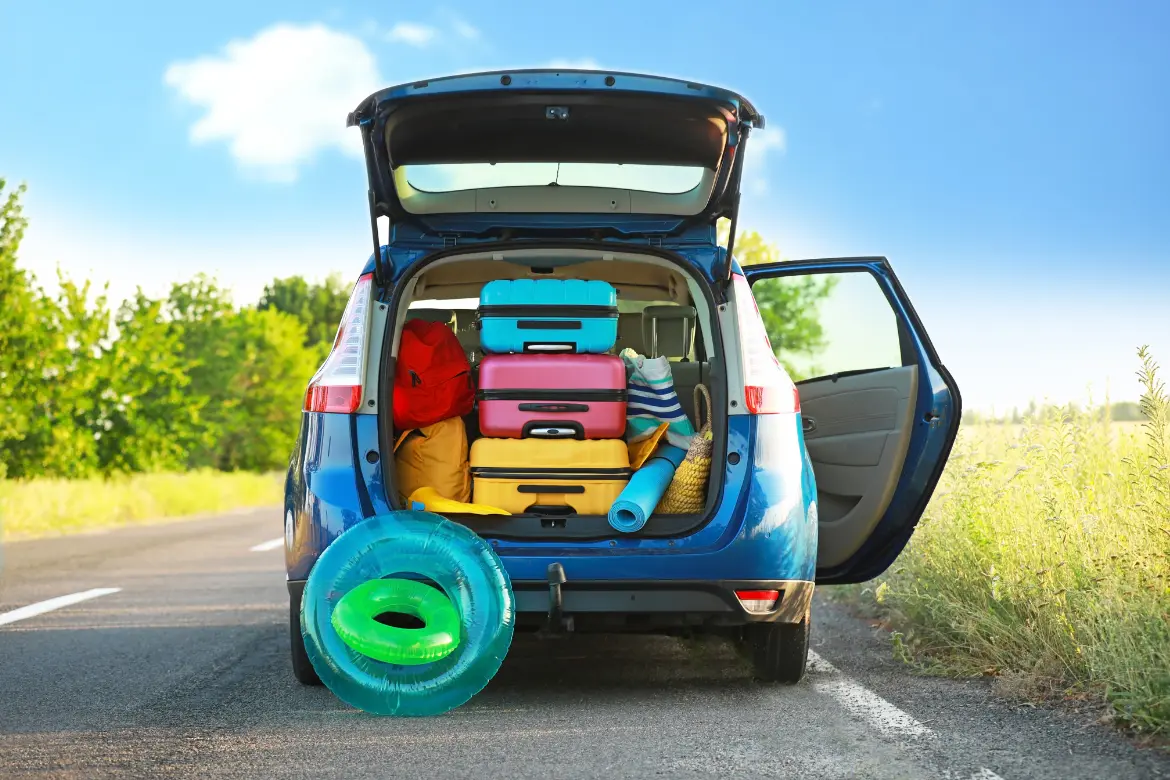
Have you thought about how your packing could affect your car’s ability to drive safely on the road? Here are some packing tips from road safety experts, Arrive Alive.
Going away for the holidays can be daunting when you have little ones, especially with the amount of stuff they usually need. Prams, camp cots, blankets, high chair, potty, toys and plenty of changes of clothes, are just some of the items you may need to squeeze into the car. Depending on how far you are driving and what baby items are available to you at the other end, you could be wondering how you are going to pack it all in.
Pack your car thoughtfully
It’s best to pack most of your luggage the evening before you leave. This will prevent the thoughtless jamming of luggage into the vehicle when everyone is already in a rush. When packing the vehicle, it’s also good to consider the question “what can go wrong?”
- Consider how you will get to the spare tyre or an emergency kit should there be a roadside emergency.
- Remember: Last in, first out. Organise items in the order they will or may need to be accessed.
Vehicle specifications and rules of the road
Know your car and obey the law:
- The safety of passengers and adhering to seatbelt or child car-seat laws must be the first priority before considering where to pack luggage.
- Consider first which items must by law be inside your vehicle, such as the emergency triangle.
- Know the height and width limitations for packing any luggage on top of your vehicle or extending beyond the vehicle.
- Know your vehicle’s weight limit and recommended tyre pressure. Adding weight can affect the performance and handling of your vehicle. You can find these details in your owner’s manual.
ALSO SEE: The 10-step car seat safety check you HAVE to do today
Packing luggage on the roof
Many drivers use the roof or roof-racks as a way of carrying very large or awkward items. There are, however, some important warnings to consider:
- Not all vehicles are created equal – consult the owner’s manual on what is appropriate or not.
- Be aware that roof loads increase the drag on the car, as well as adding height and weight.
- Items on the roof should be stored in a securely attached roof box.
- It’s generally better to carry bulky but light things on the roof and heavy items inside the car.
- If you are using rope, straps or hooks, ensure that they remain fastened every time you make a rest stop.
- Check your vehicle’s height with the roof rack packed before you hit the road. Keep a note on the dashboard for when you need to travel under an overpass or through a tunnel.
Packing your car for safety on the road
- Pack large, heavy items at the bottom of the boot, keeping them as far forward as possible to keep the centre of gravity low and optimise weight distribution.
- Packing heavy luggage low and tight can decrease their penetrating power in a road crash.
- Avoid packing above the line of the back seats as this will obscure your rear view and puts passengers at risk of a serious injury in a collision. If you must use the full height of the boot, invest in a net or other protective screen or safety partition to prevent items from flying forward.
- Empty boxes or plastic crates can be useful in the boot to stop smaller loads from sliding around.
- Always have a clear vision of the road and other road users. Poor visibility contributes to many pedestrian deaths and road trauma.
- You need a clear line of sight through your front windshield and side mirrors and, if possible, through your rear-view mirror and rear window.
- An obscured rear window makes driving difficult and creates considerable risk when reversing. Without rearward visibility, there is no telling what you might crash into.
Things to avoid
- Avoid using the inside of the passenger area for storing your luggage. Under emergency braking at 50 km/h, loose items can have a force of up to 50 times their weight. People are frequently hurt or killed by flying objects such as sports equipment during a road crash or vehicle rollover.
- Keep the area around the driver’s feet clear. Loose items are distracting and dangerous if during an emergency, they slide beneath the driver’s feet and keep the pedals from working properly.
YOU MIGHT ALSO LIKE: How to choose the right car seat for your child
Packing for passenger safety and comfort
When packing, always consider the safety and comfort of passengers that travel with you – both human and animal.
- Passenger safety always comes first. Passengers must be able to wear their seatbelts and children must be restrained in car seats.
- Have essential items that you may need during the journey such as food, drinks, diapers, medicine or entertainment for your kids, easily accessible.
- Keep a travelling first aid kit within easy reach inside the car.
- Your emergency first aid kit could include Band-Aids, antibacterial ointment, motion sickness medication, frequently used over-the-counter medications, and all medication used by the family.
- Always have a bottle of water and healthy, energy-boosting foods to avoid dehydration and drowsiness.
- Have plenty of wipes and hand sanitiser ready.
- Pack plastic trash bags to keep the environment clean.
- Have a flashlight handy in the cubby hole compartment or console.
- Never travel with unsecured pets in the car – use appropriate safety harnesses or travel crates.
Adjusting driving style
The driver of a well-packed and fully loaded vehicle must be able to adjust his driving style to ensure safety on the road:
- Driving with a fully loaded vehicle affects the power and manoeuvrability of the vehicle.
- A fully loaded vehicle will require a greater distance for the driver to bring it to a stop.
- Increase the following distance from the vehicle ahead.
- Increase vigilance and alertness. Passengers and baggage can lead to an increase in distractions and reduced visibility.
- Remain alert to the risk of blinding other road users. A fully loaded boot may cause the back of the vehicle to sag and tilt your headlights too high, blinding oncoming road users. If you are carrying a heavy cargo, consider getting your headlights adjusted slightly downward.
- Share roads responsibly with an increased alertness to checking blind spots, mirrors and using turn signals when passing, changing lanes and merging.
Before you start the journey, take a few moments to consider whether everything is safely secured. The thoughtful driver is a safer driver!
ALSO READ: Travel Plug Guide: What to Pack This Holiday Season
This safety information was provided by Arrive Alive to promote road safety information. You can read more about pregnancy and safe driving, car seats and booster seats for kids, the law on car seats, and packing the vehicle on their website.





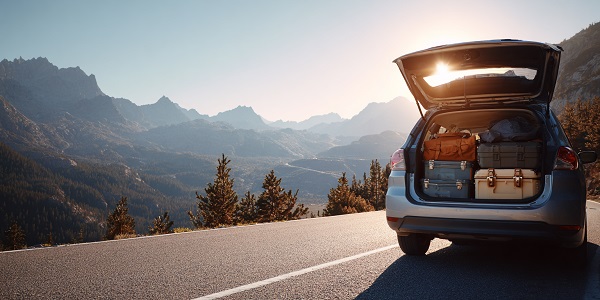
BabyYumYum FAQs: How to Pack Your Vehicle Safely for a Holiday Road Trip
Why is it important to pack your vehicle safely?
Packing your vehicle properly ensures safety, balance, and visibility while driving. Poor packing can affect your ability to brake, steer, or see clearly—and may increase the risk of accidents.
What should I pack first?
Start with heavier items like luggage or cooler boxes, and place them low and centred in the boot to keep your vehicle’s balance stable. Avoid placing heavy objects high up or unsecured.
Can I pack items on the back seat?
Only light and soft items should go on the back seat. Loose objects can become dangerous projectiles in a sudden stop or collision. Store essentials in the glove compartment or centre console.
How do I secure luggage in the boot?
Use luggage nets, straps, or barriers to prevent shifting during travel. Keep the boot area organised and avoid stacking items so high they obstruct the rear view.
Is it safe to use a roof box or roof rack?
Yes, if installed correctly and within the manufacturer’s weight limits. Distribute weight evenly, keep it low and secure and check that everything is tightly fastened before you set off.
What items should stay easily accessible?
Keep snacks, water, tissues, first-aid kits, chargers, baby supplies, and important documents close by ideally in the front seat or an easily reachable travel bag.
Can I travel with pets in the car?
Yes, but pets must be restrained using a harness, carrier or pet seatbelt. Never let a pet roam freely in the vehicle, as this can be distracting and dangerous in an emergency.
Should I check the car’s weight limits?
Yes. Overloading affects your vehicle’s handling and fuel efficiency. Check your vehicle manual for weight capacity, and remember to include passengers in your total load.
What’s the best way to pack around children?
Make sure children have clear space and are safely buckled into age-appropriate car seats. Keep toys, snacks, and books within reach, but avoid placing anything heavy near them.
How can I prevent motion sickness during a road trip?
Pack light, dry snacks, ensure good ventilation, and avoid packing strong-smelling items near passengers. Seating children where they can look out the window can also help.
Should I leave space for souvenirs or shopping?
If you plan to shop or collect items during your trip, leave extra room or pack a foldable travel bag. Avoid overstuffing the vehicle on your return journey.
How often should I repack or tidy up during a long trip?
Take advantage of rest stops to reorganise loose items, clear rubbish, and ensure luggage is still secure. This keeps the vehicle clean, safe, and more comfortable for everyone.
Disclaimer: This information is for general travel safety guidance and does not replace vehicle manufacturer instructions or road safety laws. Always follow official guidelines and drive responsibly on long journeys.
