


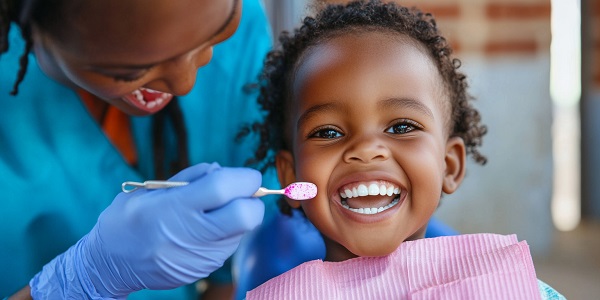
Every year, September marks National Oral Health Month in South Africa, a crucial time to raise awareness about the importance of oral hygiene and its impact on overall health. Often overlooked, oral health is far more than just keeping your teeth clean. It plays a vital role in everything from self-confidence to nutrition and can even affect your risk of heart disease and diabetes.
In 2025, the message is clear: your mouth matters. This month-long campaign encourages South Africans of all ages to rethink their approach to dental care, take preventive steps and make oral health a priority in daily life. Whether you’re a parent, a student or a working professional your mouth deserves as much care as any other part of your body.
The State of Oral Health in South Africa
Let’s be honest. Many South Africans only visit the dentist when something goes wrong. Cavities, gum disease and even tooth loss are alarmingly common and largely preventable. According to the South African Dental Association (SADA), as much as 60% of the population has never seen a dentist. In children, tooth decay is the most common chronic disease yet it’s also one of the most treatable with proper care and early intervention.
Poor oral health doesn’t just affect your mouth. Gum disease has been linked to heart disease, poor pregnancy outcomes and diabetes complications. On top of that, untreated dental issues can lead to chronic pain, infections and difficulty eating or speaking. That’s why National Oral Health Month exists – to educate, prevent and promote better lifelong habits.
Practical Tips to Improve Your Oral Health
Good oral health doesn’t have to be complicated or expensive. It’s all about the basics and sticking to them every single day.
- Brush twice a day: Use a fluoride toothpaste and a soft-bristled toothbrush. Brush for at least two minutes, especially before bed.
- Floss daily: Yes, really. Flossing removes plaque between teeth that brushing can’t reach.
- Limit sugar intake: Sugary snacks and drinks feed bacteria in the mouth that lead to decay.
- Visit your dentist regularly: Even if nothing hurts, a check-up every 6 to 12 months can catch problems early.
- Don’t ignore bleeding gums: This can be a sign of gingivitis, which can lead to more serious gum disease if left untreated.
- Encourage children early: Teaching good habits from a young age can set them up for a lifetime of healthy smiles.
CHECK OUT: 10 ways to take care of your child’s milk teeth & why it’s so important
What to Expect During Oral Health Month 2025
Throughout September 2025, schools, clinics, dental practices and health organisations across the country will host events aimed at improving oral health education. Expect to see:
- Free dental screenings in public spaces and schools
- Educational workshops on brushing techniques and sugar awareness
- Awareness campaigns in communities and online
- Discounted check-ups at participating dental clinics
It’s also a great time for parents to schedule that long-overdue dental visit for themselves or their children and to start making oral care a family habit.
FAQs
Is it really necessary to see a dentist if I’m not in pain?
Yes. Dental issues like cavities and gum disease often don’t show symptoms until they’re advanced. Regular check-ups help catch problems early before they become painful or expensive to fix.
What’s the best age for a child’s first dental visit?
A child should see a dentist by their first birthday or within six months of their first tooth coming in. Early visits help identify issues and establish comfort with the dental environment.
Are electric toothbrushes better than manual ones?
Both can be effective if used correctly. Electric toothbrushes can be helpful for people who have difficulty brushing thoroughly or consistently.




Can poor oral health affect my general health?
Absolutely. Gum disease has been linked to heart disease, stroke, diabetes and complications in pregnancy. Your mouth is connected to the rest of your body more than you might think.
How can I improve oral health in my community?
Start with education. Share reliable information with others, organise school talks or community events and support local dental health initiatives during Oral Health Month and beyond.
Your Smile Is Worth It
National Oral Health Month 2025 is a reminder that oral health is not a luxury, it’s a necessity. A healthy mouth can boost your confidence, improve your overall health and help you enjoy life without discomfort or embarrassment.
So take action this September. Brush properly, floss daily, see your dentist and encourage those around you to do the same. It’s never too late to start building better habits and protecting your smile for the future.
Make this the year you truly put your oral health first because a healthier mouth means a healthier you.
References:
- South African Dental Association (SADA)
- World Health Organization – Oral Health
- Department of Health South Africa
- International Association for Dental Research
- Colgate South Africa – Oral Health Tips
ALSO READ: Types of tooth stains in children (with pics!) & what you can do about them
You may also like
Schools must now protect children with stronger discipline and rehabilitation measures. Learn what the new SACE Policy means for safer classrooms.
