


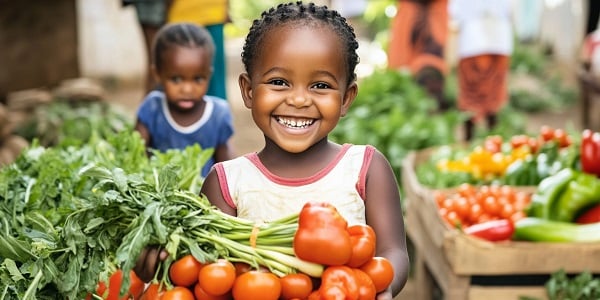
National Nutrition Week, celebrated in South Africa from 9 to 15 October, is all about creating healthier communities by starting with what’s on our plates. In 2025, the spotlight is firmly on families — especially babies, children and caregivers — because the eating habits we form early in life can shape our health and wellbeing for years to come.
We all know good nutrition matters, but with so much conflicting information out there, it’s easy to feel overwhelmed. From what to feed a fussy toddler to how to prep a balanced lunchbox, it can be tricky to know if you’re getting it right. National Nutrition Week is here to make things clearer, simpler and more doable.
This year, the theme is about making affordable, nutritious food part of everyday life, even when time is short and budgets are tight. It’s not about perfection — it’s about progress, one meal at a time.
Laying the Foundation with Early Nutrition
The first 1 000 days of a child’s life — from conception to their second birthday — are absolutely crucial. During this time, a child’s brain, immune system and body develop rapidly, and nutrition plays a leading role in that growth.
Whether you’re breastfeeding, formula-feeding or starting solids, here are a few golden rules:
- Breastfeeding is best when possible. It provides all the nutrients your baby needs in the early months, along with antibodies that help fight illness.
- Introduce solids at around six months, starting with soft, iron-rich foods like mashed veggies, eggs and porridge. Avoid salt and added sugar.
- Create a positive feeding environment. Let baby explore textures and flavours, even if it gets messy.
- Avoid processed foods. Try to offer whole, natural foods as often as possible, even if they’re simple.
What your baby eats now sets the stage for lifelong eating habits. Try to offer variety, stay calm during fussy moments and keep mealtimes relaxed.
YOU MUST READ: Understanding Nutritional Labels On Products And Choosing The Right Solution For Your Little Ones Food Habits
Supporting Growing Kids with Balanced Meals
As children grow, their nutritional needs shift. Busy school schedules, picky eating and peer pressure can make feeding a family feel like a daily juggling act. But it doesn’t need to be complicated.
Here’s how to keep things balanced without the stress:
- Use the plate method. Fill half the plate with colourful veg or fruit, a quarter with whole grains (like brown rice or maize meal) and the last quarter with lean protein (like chicken, beans or fish).
- Water is best. Limit sugary drinks, juices and fizzy drinks. Kids often mistake thirst for hunger.
- Make snacks count. Swap out chips and sweets for yoghurt, fruit, nuts (age-appropriate) or homemade muffins.
- Plan together. Involve your kids in meal planning, shopping and cooking. They’re more likely to eat what they help make.
Nutrition isn’t just about the nutrients — it’s about relationships with food. Teaching children that food is fuel, fun and something to enjoy (not fear) creates positive, lasting habits.
The Family Table – Where Healthy Habits Begin
In a fast-paced world, sitting down together as a family might feel impossible. But even a few shared meals a week can make a huge difference.
Eating together helps:




- Encourage better food choices
- Improve emotional connection
- Reduce the risk of disordered eating
- Reinforce routine and structure
You don’t need fancy meals or hours of cooking. A simple stew, pap and veg or a DIY sandwich night works just as well. What matters is connection — the laughs, the check-ins, the sense of belonging.
Practical Tips for a Healthier Household
Looking to improve your family’s nutrition without blowing the budget or stressing out? Start small:
- Cook in bulk and freeze leftovers for busy days
- Swap white bread for brown, and choose high-fibre carbs
- Reduce salt by flavouring food with herbs, garlic or lemon
- Read food labels — watch for hidden sugars and sodium
- Keep healthy snacks visible, and move the sugary treats out of sight
And most importantly, don’t beat yourself up if every meal isn’t perfect. A balanced week matters more than a perfect day.
CHECK OUT: Pregnancy Nutrition: Why Your Diet Matters

FAQs
Can I feed my baby shop-bought baby food?
Yes, but read the labels carefully. Choose options with no added sugar or salt. Whenever possible, offer freshly prepared food with simple ingredients.
How do I encourage my fussy toddler to try new foods?
Keep offering without pressure. Try serving a small amount alongside familiar favourites. It can take multiple tries before a child accepts a new food.
What should be in a healthy school lunchbox?
Aim for a mix of whole grains (like wholewheat bread), protein (boiled eggs or cheese), veg or fruit and water. Avoid ultra-processed snacks and sugary drinks. Read Pack healthy lunchboxes your child will eat.
How can families eat healthily on a tight budget?
Focus on local, seasonal produce, buy in bulk when possible, plan meals and limit takeaways. Simple home-cooked meals can be both nutritious and affordable.
Start Where You Are, Use What You Have
National Nutrition Week 2025 reminds us that good food fuels more than our bodies — it feeds our families, our futures and our communities. Whether you’re cooking for a newborn, a growing teen or your whole family, every nutritious choice counts.
Start small. Add one extra vegetable to tonight’s dinner. Swap juice for water. Let your child help in the kitchen. These little changes add up, and they stick.
Because when we feed our children well, we’re doing more than filling their tummies — we’re nourishing minds, bodies and futures.
References:
