




Violence in the home is one of the most devastating experiences a child can face. Even when a child is not directly harmed, witnessing violence creates a ripple effect through every part of their development. The South African Child Gauge 2025 places this issue at the centre of national concern, warning that violence against women and violence against children are deeply interconnected. The report explains that early exposure to violence sparks “an intergenerational cycle of violence that has huge human, social and economic costs”.
This cycle can follow a child for years. It shapes their behaviour, their ability to form healthy relationships and their mental health well into adulthood. For South African families, this issue cannot be ignored. Understanding how violence affects children is the first step to breaking the cycle and creating homes where children feel safe, supported and emotionally grounded.
In South Africa, many children navigate a world where conflict, fear or emotional tension form part of their daily lives. They may witness shouting, threats, intimidation or physical harm between adults. Some may experience their own direct abuse and others may feel the effects of community violence or stress. The Child Gauge shows that these experiences accumulate in powerful ways, affecting how children think, learn, love and grow.
Parents and caregivers often underestimate how deeply children absorb what happens around them. Even young babies who cannot speak yet are shaped by the emotional climate of the home. Infants read facial expressions, sense tension and react to the emotional cues of their caregivers. The Child Gauge explains that the “first 1000 days” are particularly sensitive to stress and violence, making early environments crucial for long-term wellbeing.
For BabyYumYum’s readers, this article provides an essential breakdown of how violence impacts children’s development, what signs parents should look out for and what practical steps families can take to build nurturing homes, even under challenging circumstances.
Understanding the Intergenerational Cycle of Violence
The idea that violence passes from generation to generation is not new, but the 2025 Child Gauge brings compelling evidence to show just how entrenched and predictable this cycle can become if it goes unaddressed. When children grow up in homes where violence is normalised, they internalise the belief that harm, control or emotional instability are part of relationships.
The Child Gauge explains that violence against women and violence against children “share common drivers” rooted in social norms, patriarchy, inequality and stress within families. These forces interact in powerful ways, creating a pattern that repeats across generations.
A child who sees a parent being shouted at or intimidated may grow up believing that aggression is the only way to resolve conflict. A child who lives with emotional neglect may learn to suppress feelings or become overwhelmed by them. A teenager who experienced violence earlier in childhood may be more vulnerable to harmful relationships later.
This does not mean children are destined to repeat what they experience. Rather, it demonstrates why early intervention matters. The sooner a harmful pattern is recognised and addressed, the easier it becomes to change a child’s trajectory.





Break the cycle early and children thrive. Leave it unaddressed and the effects can echo across decades.
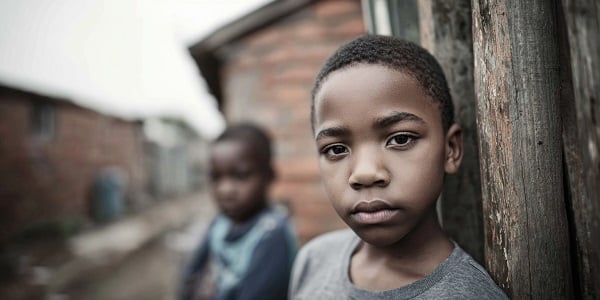
How Violence Affects Children at Different Ages
Children respond to violence differently depending on their age, developmental stage and relationship to the people involved. The Child Gauge outlines the importance of a child’s environment at every stage, especially during early childhood. Understanding how children absorb and interpret these experiences helps parents support healing and resilience.
Babies and toddlers
Infants are far more aware of emotional atmospheres than most adults realise. Even before they can talk, babies read body language, tone of voice and facial expressions. When caregivers argue frequently or live in fear, babies sense this tension. Chronic stress in early life can alter brain development, affect sleep, disrupt feeding patterns and reduce emotional security.
Preschoolers
Young children understand more than we think, but they cannot process conflict the way adults do. They often blame themselves or develop fears that do not make sense to adults. They may cling to caregivers, regress to younger behaviours or become aggressive during play.
School-age children
Children in primary school may display behaviour issues, concentration problems or anxiety. Exposure to violence, even indirectly, can affect learning, emotional regulation and peer relationships. The Child Gauge notes that South African children often experience violence across home, school and community settings, amplifying the effects over time.
Teenagers
Adolescents exposed to violence are more likely to withdraw emotionally, act out, use substances or engage in risky relationships. They may show signs of depression, anger, fear or hopelessness. The cycle can quietly embed itself during the teen years.
Each age presents different challenges and opportunities for healing. Parents who understand the developmental impact are better positioned to support their children.
ALSO READ: How Violence Against Women Will Affect Their Children
Signs a Child May Be Affected by Violence at Home
The Child Gauge shows that the violence children witness or experience is often hidden. Many children do not disclose their experiences due to fear, shame or loyalty to caregivers. Adults may miss subtle signs that something is wrong. Parents should look out for:
• sleep disturbances
• behavioural changes
• extreme clinginess or separation anxiety
• unexplained aggression or outbursts
• withdrawal and quietness
• difficulty concentrating
• regression (bedwetting, baby talk, tantrums)
• physical complaints with no clear medical cause
• fear of certain people, sounds or situations
• sudden drop in school performance
If several signs appear together, it is important to gently explore what your child may be experiencing.
The Role of Caregiver Mental Health
The Child Gauge highlights strong evidence linking maternal mental health to children’s emotional and behavioural outcomes. Research cited in the document shows that maternal anxiety during pregnancy is associated with “behavioural and emotional problems at four years old” in children. Poor mental health does not cause violence, but it increases vulnerability for both caregivers and children.
When caregivers feel overwhelmed, depressed or unsupported, daily stress becomes harder to manage. Emotional availability may decrease. This shifts the household dynamic and affects how children regulate their own emotions.
Addressing caregiver wellbeing is therefore one of the most powerful ways to protect children.
Why Violence Against Women and Violence Against Children Are Connected
One of the strongest messages in the Child Gauge is that violence against women (VAW) and violence against children (VAC) are not separate issues. They overlap in thousands of South African households.
The Child Gauge highlights that women who experience lifetime physical intimate partner violence often report childhood trauma before age 15, demonstrating how early experiences shape vulnerability in adulthood.
Where there is intimate partner violence, children are far more likely to experience emotional harm, physical punishment or fear-driven behaviours. These combined experiences intensify the cycle and make healing more complex.
How Violence Shapes a Child’s Emotional World
Children internalise the emotional climate around them. When their home environment is marked by fear, unpredictability or conflict, they may develop:
• chronic anxiety
• difficulty trusting others
• intense emotional reactions
• trouble regulating emotions
• hypervigilance (always on high alert)
• low self-worth
• deep insecurity
Over time, these patterns blend into their personality and affect their relationships, schooling and mental health.
Emotional harm does not always come from physical violence. Children can experience deep emotional wounds from shouting, threats, silent treatment, emotional withdrawal or tension-filled silence.
How Violence Impacts a Child’s Ability to Learn
Violence affects concentration, memory and cognitive development. The Child Gauge links these outcomes to prolonged stress during early childhood. Stress hormones like cortisol, when elevated over long periods, disrupt neural pathways responsible for learning.
Children living in conflict-heavy homes may struggle in school because:
• They cannot focus
• They feel anxious
• They are sleep-deprived
• Their bodies are in fight-or-flight mode
• They have limited emotional support
This does not reflect a lack of intelligence. It reflects the weight they carry.
Practical Ways for Parents to Break the Cycle
No home is perfect, and stress affects every family. But small, consistent steps can protect children and shift the family’s emotional dynamic. Parents can:
Create predictable routines
Children thrive when they know what to expect. Predictability feels safe.
Use calm communication
Talk honestly, quietly and respectfully. Children learn how to resolve conflict from adults.
Avoid shouting
Even during frustration, using a softer voice reduces fear-based reactions.
Validate feelings
Help children name and understand what they feel.
Rebuild emotional connections
Spend small, focused moments with each child daily.
Create safe spaces at home
A corner with books, pillows or calming objects gives children somewhere to retreat to.
Seek support if needed
Talking to a counsellor, doctor or support organisation helps parents regain stability.
Systemic Factors and What They Mean for Families
Violence is never just an individual problem. The Child Gauge shows that it is linked to poverty, inequality, community stress, infrastructure challenges and lack of services.
The document highlights that “securing a continuum of care” requires coordinated leadership, funding and data systems across sectors such as education, health and social services.
While families cannot solve systemic issues alone, they can:
• access community support structures
• stay informed about children’s rights
• engage schools and local organisations
• create networks of support with neighbours, family or churches
These steps build resilience and reduce isolation.
What Parents Can Do Today
Even when life is challenging, small, consistent changes can transform a child’s experience. Parents can begin by:
• noticing how conflict happens in the home
• finding non-violent ways to express frustration
• seeking help when overwhelmed
• focusing on connection
• protecting children from adult conflict
• building routines and emotional safety
Children do not need perfect parents. They need stable, nurturing relationships and adults who are willing to grow alongside them.
Final Thoughts
Violence in the home does not define a child’s future, but it does shape their present. With awareness, support and nurturing care, families can break patterns that have lasted generations. The Child Gauge 2025 makes it clear that early intervention, strong relationships and safe environments can change everything.
By understanding the signals, creating supportive homes and seeking help when needed, parents take the first step towards raising children who feel secure, confident and ready to thrive.
