


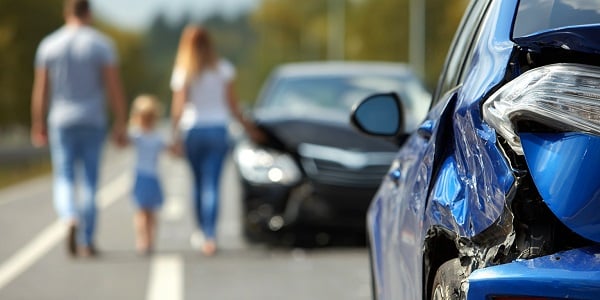
Car insurance may go unused for years, but when an accident happens, its value becomes clear. Insurance is not only about protecting yourself from your own driving risks; it is also about protecting yourself from others. You cannot control how other people behave on the road. Being in the wrong place at the wrong time can have serious financial consequences.
Insurance provides financial protection, liability cover and security against damage, theft or hijacking. Many insurers also offer additional benefits such as roadside assistance, towing services, car hire, windscreen repairs and protection against uninsured drivers.
Cover options range from comprehensive insurance (which covers your vehicle and third-party damages) to third-party-only cover. The right policy ensures that, even in the event of an accident, you are not left financially devastated.
Five Key Reasons to Have Car Insurance
- Protection against uninsured drivers
- Liability cover for damage caused to others
- Replacement of a stolen vehicle
- Cover for fire and natural disasters
- Roadside assistance and towing services
Towing After an Incident: Know Your Rights
One of the most important considerations after an accident, if you are not seriously injured, is the towing of your vehicle. Unfortunately, the towing industry in South Africa is largely unregulated. After an accident, multiple tow trucks may arrive at the scene. Some operators can be aggressive, so it is essential to understand your rights to avoid excessive fees or situations where your vehicle is effectively held hostage for payment.
Your Legal Rights and Safety First
- You have the right to choose your towing service. Do not feel pressured to use the first operator who arrives.
- You may refuse a tow if it is safe to do so and you prefer to wait for your insurer’s approved service provider.
- Traffic obstruction rule: If your vehicle is obstructing traffic, it may need to be moved to the side of the road. However, this does not automatically mean it must be towed to a private yard without your consent.
- If you are incapacitated, police or traffic officials may arrange the tow.
2. Identifying Reputable Towing Operators
- Look for operators affiliated with recognised associations.
- Ask to see the driver’s identification and company details.
- Confirm that the towing company is authorised and approved by your insurer before agreeing to anything.
3. Avoiding Scams and Protecting Your Vehicle
- Never sign a blank document. Only sign an “authorisation to tow” form after reading it carefully.
- Be cautious of “free” towing offers. These often lead to excessive storage or administration fees later.
- Call your insurer yourself. Do not rely on a tow truck driver to contact them on your behalf.
- Confirm the destination. Ensure your vehicle is being taken to an approved repairer or secure storage facility.
- Remove all valuables from your vehicle before it is towed.
- Get everything in writing, including the towing company’s details and the tow truck registration number.
- Take photographs of the accident scene and your vehicle before it is moved.
If you believe you have been taken advantage of, you may report the matter to the relevant consumer protection authorities.

Important Steps to Follow After an Accident
1. Prioritise Safety
Check that everyone involved is safe. Call emergency services if necessary. Make the scene as safe as possible to prevent further accidents. Only do this if you are 100% certain of your own safety.
2. Exchange Information
After ensuring everyone’s safety, exchange details with the other party involved. Leaving the scene of an accident is a criminal offence.
Remain calm and respectful. Collect the following information:
- Full name and ID number
- Residential address and employment details
- Vehicle registration number
- Insurance information
- Contact details
3. Document the Scene
Use your smartphone to take photographs and videos of:
- The vehicles involved
- Damage sustained
- Road conditions
- Traffic signs and markings
- The surrounding area
The more evidence you collect, the easier the insurance and investigation process will be. Video recordings of all conversations with anyone at the scene could prove to be exceptionally helpful. You ALWAYS have the right to video in public areas. Do not let police, tow truck drivers or anyone else tell you differently.





4. Arrange Towing Carefully
Follow the recommended best practices outlined above. Always consult your insurer before agreeing to a tow where possible.
5. Report the Accident
All parties involved must report the accident at a police station (or through the appropriate reporting channels). This is required for insurance claims and any potential legal proceedings. Do this, no matter the size of the incident, and do it as soon as possible after the incident.
6. Notify Your Insurer
Provide a full and accurate account of what happened. Ask about the next steps and required documentation to process your claim efficiently. Always notify your insurer of any incident, no matter the size of the incident. Often, people will offer to cover the costs of repairs in their personal capacity. While this might sound like a better deal than having to pay an excess, this could potentially void recourse for any complications that may arise at a later date. This is assuming that the person involved actually does pay as promised.
ALSO READ: Vehicle documents Are More Than Paperwork
Be Prepared
Choosing the right insurer is important, but so is being prepared for an emergency. Keep essential information in your vehicle, including:
- Insurance policy details
- Medical aid information
- Emergency contact numbers
This can be invaluable during a stressful situation.
Always make sure that your car is in full roadworthy condition, e.g., check tyre tread and expiry. Ensure there are no cracks in your windscreen and that your car is not leaking any fluids. If there are any signs that your car is not fully roadworthy, this could void any claim and has the potential to create a scenario whereby you are held fully liable for all damages, regardless of who was at fault.
Always ensure that your driver’s license and vehicle license are valid. If either is invalid, this again could lead to you being held fully liable for all damages, regardless of the circumstances.
TAKE A LOOK AT: Road safety tips for the holidays – Presented by Paige Lindenberg in partnership with Tiger Wheel & Tyre
A Note for Parents: “Baby on Board” Signs
“Baby on Board” signs serve an important purpose. They alert emergency personnel to check for infants or young children in the vehicle after an accident. Ideally, use a removable sign and display it only when your child is in the car.
Final Thoughts
It is easy to believe that accidents happen to “other people.” The reality is that no matter how careful you are, you cannot control how other drivers behave on the road.
Understanding your insurance policy, knowing your rights, and following the correct procedures after an accident can protect you from unnecessary stress and financial hardship.
Most importantly, remain vigilant on the road. Avoid distractions, stay off your phone while driving, and always prioritise safety, for yourself and others.
