



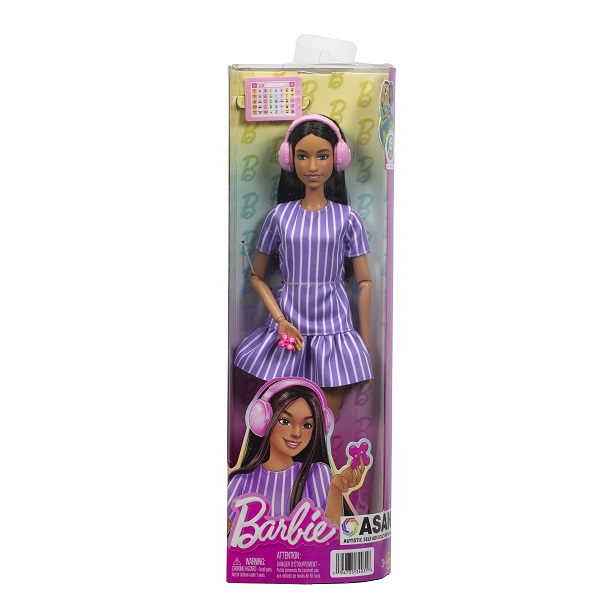
Mattel, Inc. (NASDAQ: MAT) has unveiled its first-ever autistic Barbie doll created with guidance from the autistic community to represent common ways autistic people may experience, process, and communicate about the world around them. This doll invites more children to see themselves represented in Barbie.
Developed for more than 18 months in partnership with the Autistic Self Advocacy Network (ASAN), a non-profit disability rights organisation run by and for autistic people that advocates for the rights of the autistic community, this doll joins the Barbie Fashionistas collection, which features the most diverse range of skin tones, hair textures, body types, and various medical conditions and disabilities.
“Barbie has always strived to reflect the world kids see and the possibilities they imagine, and we’re proud to introduce our first autistic Barbie as part of that ongoing work,” said Jamie Cygielman, Global Head of Dolls, Mattel. “The doll, designed with guidance from the Autistic Self Advocacy Network, helps to expand what inclusion looks like in the toy aisle and beyond because every child deserves to see themselves in Barbie.”
ALSO READ: What Is Autism? Understanding the Neurodiverse Mind
In close collaboration with ASAN, the Barbie design team made intentional design choices for the autistic Barbie doll to authentically reflect some experiences individuals on the autism spectrum may relate to. The autistic Barbie doll features and accessories include:
- Face and Body: Along with a new face sculpt, the autistic Barbie doll features elbow and wrist articulation, enabling stimming, hand flapping, and other hand gestures that some members of the autistic community use to process sensory information or express excitement.
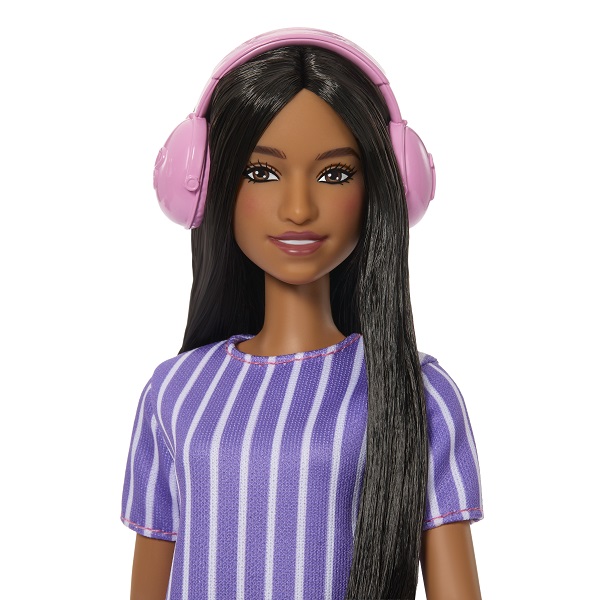
- Eye Gaze: The doll is designed with an eye gaze shifted slightly to the side, which reflects how some members of the autistic community may avoid direct eye contact.
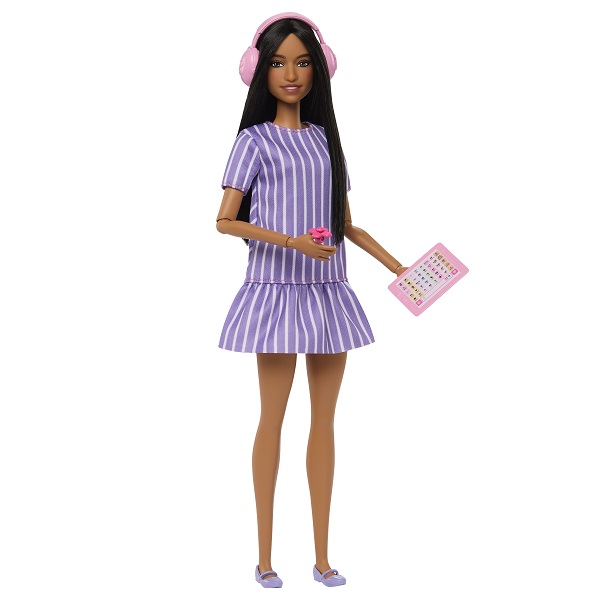
- Accessories: Each doll comes with a pink finger clip fidget spinner, noise-cancelling headphones and a tablet.
- Fidget Spinner: The doll holds a pink finger clip fidget spinner that actually spins, offering a sensory outlet that can help reduce stress and improve focus.
- Headphones: Pink noise-cancelling headphones rest on top of the doll’s head as a helpful and fashionable accessory that reduces sensory overload by blocking out background noise.
- Tablet: A pink tablet showing symbol-based Augmentative and Alternative Communication apps (AAC) on its screen serves as a tool to help with everyday communication.
- Sensory-Sensitive Fashions: The doll wears a loose-fitting, purple pinstripe A-line dress with short sleeves and a flowy skirt that provides less fabric-to-skin contact. Purple shoes complete the outfit, with flat soles to promote stability and ease of movement.
“As proud members of the autistic community, our ASAN team was thrilled to help create the first-ever autistic Barbie doll. It is so important for young autistic people to see authentic, joyful representations of themselves, and that’s exactly what this doll is. Partnering with Barbie allowed us to share insights and guidance throughout the design process to ensure the doll fully represents and celebrates the autistic community, including the tools that help us be independent. We’re honoured to see this milestone come to life, and we will keep pushing for more representation like this that supports our community in dreaming big and living proud.” – Colin Killick, Executive Director, Autistic Self Advocacy Network (ASAN)
ALSO READ: Inside the Neurodiversity Parenting Workshop: A Day of Learning, Connection and Support
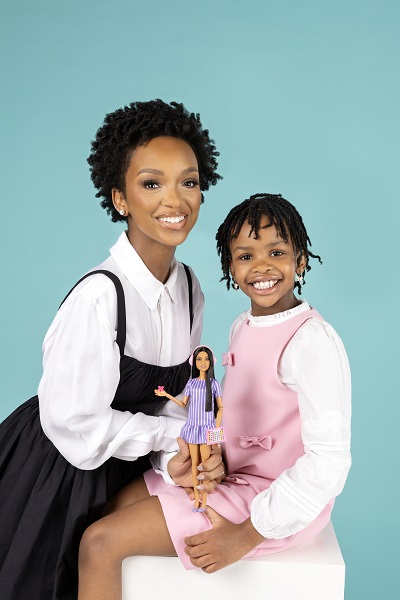
As part of the doll launch, Barbie is teaming up with advocates for the autistic community, including autism advocate, founder of Africa’s number one parenting and family podcast, The Motherhood Network, Apple Music host, and creative councillor at the Gates Foundation, Nandi Madida and her beautiful daughter, 6-year-old Nefertiti Madida.
“Barbie has always represented comfort and imagination for me, and becoming a mother to an autistic child has transformed what representation truly means. This autistic Barbie is deeply emotional because it reflects children who are so often left out. For autistic children, seeing themselves in a doll like this affirms that they are seen, valued, and understood exactly as they are. For non-autistic children, it becomes a gentle and powerful tool for learning empathy, curiosity, and respect. Play is one of the earliest ways children make sense of the world, and when that world includes neurodiversity, it helps build a future that is more compassionate, informed, and inclusive for everyone,” say Nandi Madida.
In an informative interview with BabyYumYum, Nandi also talks about ADHD and acceptance. Read the interview here: “I’m Neurodivergent and So Are My Kids“.
Consistent with the Fashionistas dolls representing individuals with type 1 diabetes, Down syndrome and blindness, the autistic Barbie doll was named and created with the community’s guidance to allow more children to see themselves in Barbie. This doll, along with the entire Fashionistas collection, boasts over 175+ looks and can help children better understand the world around them by encouraging doll play outside of a child’s own lived experience. It’s yet another step in making the Barbie brand a more inclusive reflection of the children who play with it.
Building on the importance of feeling understood and connected through play, beginning in 2020, Barbie set out to research the short- and long-term benefits of doll play through a multi-year study with researchers at Cardiff University, finding that playing with dolls activates parts of children’s brains involved in empathy and social processing skills. In recent years, the study has continued to build on these findings, suggesting that doll play could help develop social skills for all children, including those who display neurodivergent traits commonly associated with autism. The autistic Barbie doll is now available at leading retailers nationwide.
YOU MUST CHECK OUT: Celebrating Every Mind: BabyYumYum.com and Old Mutual’s Neurodiversity Parenting Workshop
FAQ’s: Neurodiversity, Austism and Inclusion
What does neurodiversity mean?
Neurodiversity recognises that there are natural differences in how people think, learn, communicate and experience the world. It views neurological differences as part of human diversity rather than deficits.
What is autism within the context of neurodiversity?
Autism is a neurodevelopmental difference that affects how a person processes information, communicates and interacts with others. Within the neurodiversity framework, autism is seen as a different way of being rather than something that needs to be “fixed.”
Why is inclusion important for neurodivergent individuals?
Inclusion ensures that neurodivergent people are supported, respected and able to participate fully in education, work and community life. Inclusive environments reduce barriers and help individuals thrive.
How does inclusion benefit children with autism?
Inclusive settings can support social development, confidence and learning when the right adjustments are in place. Children benefit from feeling accepted and understood rather than singled out or excluded.




What does true inclusion actually look like?
True inclusion goes beyond physical access. It includes flexible teaching, sensory-friendly spaces, clear communication, patience and a willingness to adapt expectations to meet individual needs.
Why is awareness not the same as inclusion?
Awareness means knowing that neurodiversity exists. Inclusion means actively making changes so neurodivergent people feel safe, valued and supported in everyday environments.
What role do families play in promoting inclusion?
Families often advocate for understanding, accommodations and acceptance. Their insight helps educators, caregivers and communities better support neurodivergent individuals.
Can inclusive environments reduce stigma around autism?
Yes. When neurodiversity is normalised and supported, stigma decreases. Inclusive environments encourage empathy, understanding and positive attitudes among peers and adults.
How does inclusion support emotional wellbeing?
Feeling accepted and understood reduces stress, anxiety and isolation. Inclusive environments can positively impact mental health and self-esteem for neurodivergent individuals.
What are common misconceptions about autism and inclusion?
A common misconception is that inclusion lowers standards or only benefits neurodivergent individuals. In reality, inclusive practices often improve environments for everyone.
How can communities become more inclusive of neurodiversity?
Communities can listen to neurodivergent voices, offer flexible services, provide clear communication and create spaces that respect sensory and communication differences.
NEXT READ: Is Being Neurodivergent a Disability?
Medical Disclaimer: This information is provided for general educational purposes only and is not a substitute for professional medical advice, diagnosis or treatment. Autism and other neurodevelopmental differences present uniquely in each individual. Always consult qualified healthcare professionals, educational specialists or therapists for personalised guidance, assessment or support.
