







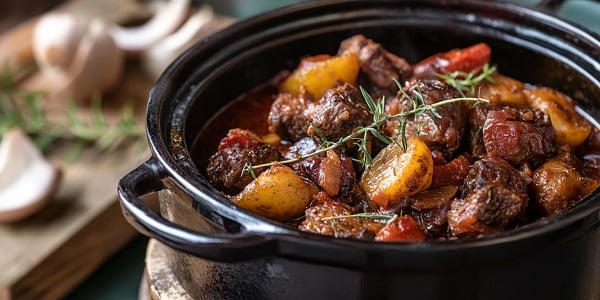
Cuisiland 8.5QT Cast Iron Potjie Cauldron Pot with Lid & 3 Legs – Pre-Seasoned South African-Style Campfire Pot for Outdoor Cooking, Soups, Stews & Braising – Heavy-Duty Cast Iron Dutch Oven
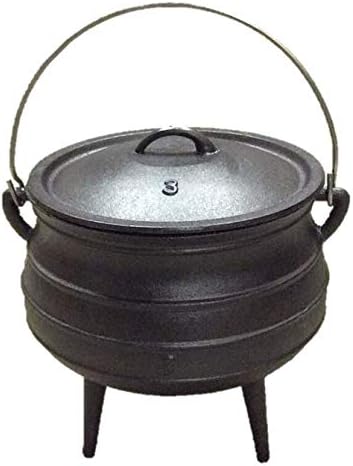
Cuisiland 3.2QT Cast Iron Potjie Cauldron Pot with Lid & 3 Legs – Pre-Seasoned South African-Style Campfire Pot for Outdoor Cooking, Soups, Stews & Braising – Heavy-Duty Cast Iron Dutch Oven
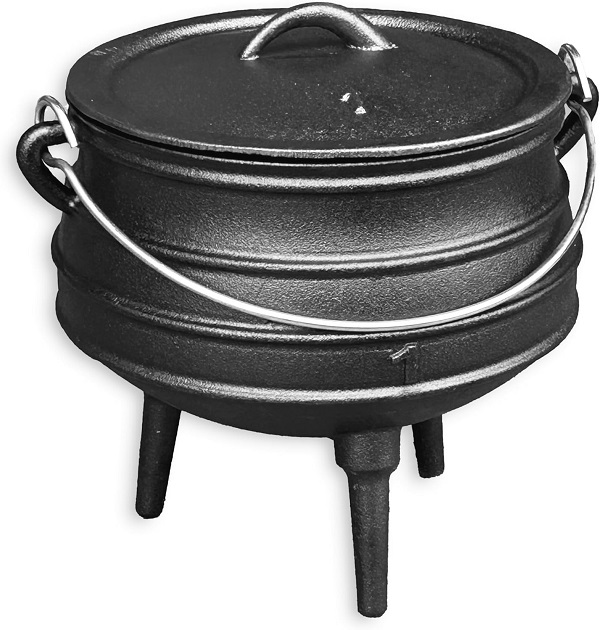
Cuisiland 14QT Cast Iron Potjie Cauldron Pot with Lid & 3 Legs – Pre-Seasoned South African-Style Campfire Pot for Outdoor Cooking, Soups, Stews & Braising – Heavy-Duty Cast Iron Dutch Oven
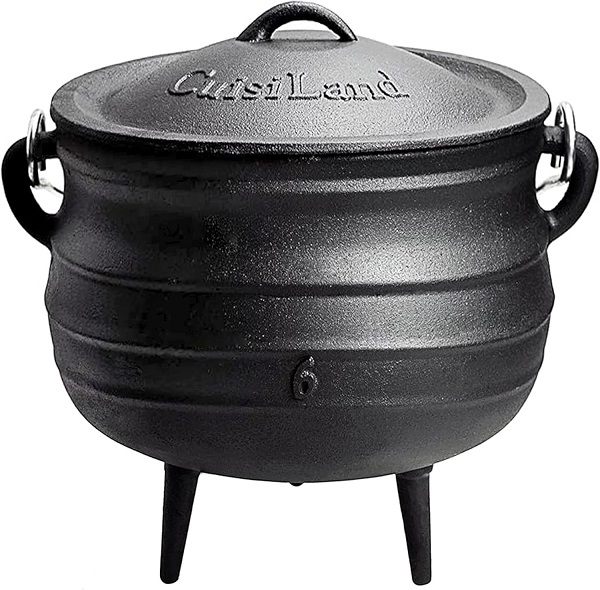
Pre-Seasoned Cast Iron Cauldron – Bruntmor African Potjie Pot with Lid – 3 Legs for Even Heat Distribution – Camping Dutch Oven Cookware for Over-The-Fire Cooking – 10 Quarts, X-Large






Beef and Balsamic Apricot Potjie Recipe
Recipe Ingredients
- 250g SPAR Butchers Choice Streaky Bacon
- SPAR Oil for frying
- 2kg SPAR Beef, cut into cubes
- 3 SPAR Freshline Onions, sliced
- 4 SPAR Freshline Garlic Cloves, crushed
- 250ml Stock
- 250ml Red Wine
- 100ml SPAR Balsamic Vinegar
- Salt and freshly ground Black Pepper to taste
- 2 bay leaves
- 50ml Herbs, freshly chopped
- 60ml SPAR Apricot Jam
- 200g SPAR Dried Apricots
- 20 SPAR Freshline Baby potatoes
Recipe Method
- Heat oil over hot coals in a number 3 potjie pot and fry the bacon until crispy. Remove and set aside. Brown the meat, a few pieces at a time.
- Return the bacon and all the browned meat to the pot.
- Add the onions, garlic, stock, wine, vinegar, seasoning, bay leaves and herbs.
- Simmer for about 2 hours until nearly cooked and then add jam, apricots and baby potatoes. Simmer for another 30–40 minutes or until the potatoes are cooked through.
Hints & Tips: Always warm the wine and stock before adding to the meat. This ensures that the meat stays tender. Pouring cold liquid onto the meat can cause the meat to contract and become tough.
Source: SPAR

Lamb or Venison Potjie with Baby Onions
Main Dish
Rosemary Gremolata
Baby onions
Method:
- Brown the shank pieces in the canola oil.
- Remove to a plate and season with Meat Spice.
- Brown the onion, pre-seasoned with Green Onion Seasoning in the remaining oil, add the carrots.
- Add the anchovies and all their oil to the vegetables and stir-fry for 2 – 3 minutes.
- Add chopped tomatoes and Tomato Pesto.
- Stir through.
- Add water and Liquid Beef Stock.
- Return meat to pot.
- Place the lid on the pot and heap some coals onto the lid.
- Cook on a very slow fire for about 2 – 3 hours.
- Make sure you keep heaping coals on the lid if cooking on an open fire – otherwise keep the lid of the Weber tightly closed.
- Can also be cooked in a casserole dish in the oven at 150 °C for 2½ – 3 hours.
- In a large frying pan with a lid, steam cook the peeled onions in the water until just tender.
- Add the sugar, Green Onion Seasoning and Balsamic Vinaigrette.
- Remove the lid and shake the pan over high heat to roll and caramelise the onions.
- Add the caramelised onions to the potjie.
- Taste for seasoning.
- Prepare the rosemary gremolata by chopping and mixing all the ingredients together.
- Sprinkle over the meat.
- Serve with Polenta with Fresh Mielies to absorb the delicious sauce.
Source: INA PAARMAN’S KITCHEN
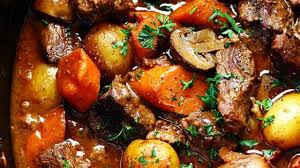



Chef Tommy Beer Potjie
Ingredients
- 15Ml Cake Flour
- 5Ml Mixed Herbs
- 5Ml Paprika
- 375Ml Beer
- 1Kg Beef Fillet, Cubed
- 250Ml Beef Stock
- 15Ml Butter
- 1 Packet Of Tomato Soup Powder
- 15Ml Oil
- 1 Bay Leaf
- 2 Medium Onions, Thinly Sliced
- 15Ml Vinegar
- 15Ml White Sugar
- 10Ml Maizena
- 8 Greenbeans, Cut Up
- Salt And Pepper To Taste
- 4 Carrots, Peeled And Thinly Sliced
- 1 Garlic Clove, Chopped
Instructions
- At The Braai
- Coat The Meat With A Mixture Of The Flour And Paprika. Heat The Oil And Butter In The Pot And Brown The Meat.
- Remove The Meat And Brown The Onions And Sugar Until The Onions Is Nice And Soft.
- Add The Beans, Carrots And Garlic, Cover With The Lid And Allow The Pot To Simmer For About 5 Minutes.
- Replace The Meat And Stir In The Herbs, Beer, Beef Stock, Soup Powder And Bay Leaf. Cover With The Lid And Allow The Pot To Simmer For A Final Hour Or Until The Meat Is Soft (Stirring Occasionally With A Wooden Spoon).
Source: WEBER
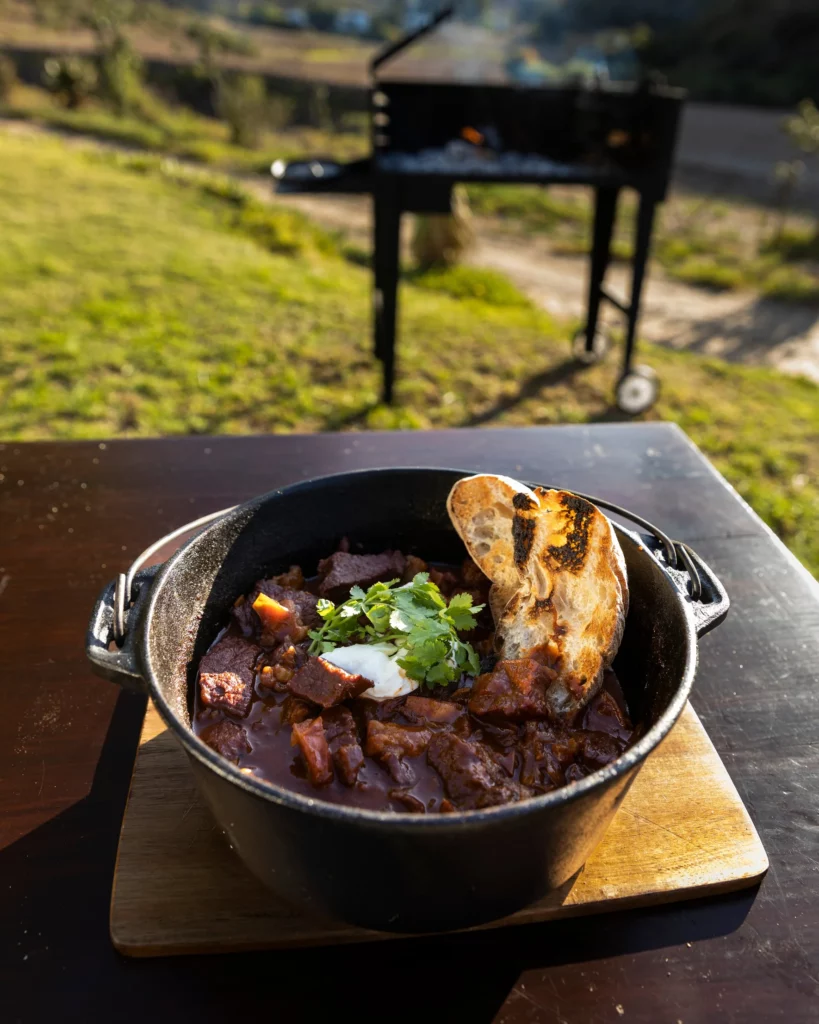
Red Wine Beef Potjie
Ingredients
- 1.5 kg chuck steak (deboned and in cubes)
- 1 tot olive oil
- 2 onions (chopped)
- 2 cloves garlic (chopped)
- 1 tot paprika
- 1 tsp chilli powder
- 1 tsp salt
- 1 tsp black pepper
- 2 tomatoes (chopped)
- 1 tot tomato paste
- 1 tin Fitch&Leeds Ginger Ale (or use 1 cup Coke)
- 1 cup red wine
- sour cream (optional, for serving; a tub/cup is more than enough)
- fresh bread (for serving)
- fresh chopped herbs (for serving, basil/parsley/rocket/coriander will all do the trick
Instructions
- Heat the oil in a potjie and fry half of the meat for a minute or two. You literally just want to sear each piece a bit. You don’t need to cook the meat and you don’t need to sear it on all sides. Remove the meat from the potjie and repeat with the other half. When the second batch is done, all the meat can go and wait in a covered bowl or plate for reintroduction to the meal later on.
- Fry the onions in the potjie for about 4 minutes until they start to soften, then throw in the garlic. Onions take longer to cook than garlic, so always fry onions before adding the garlic. This is general advice and doesn’t apply only to this recipe.
- Add to the potjie all the seared beef cubes from step 1, the paprika, chilli powder, salt, and pepper. Toss everything around for a minute.
- Now add the tomatoes, tomato paste, Ginger ale, and red wine, and mix to combine them all. Bring to a boil and then simmer over low coals. You want a very gentle simmer.
- Ideally you want it to bubble very gently for 1 hour – at that point remove the lid and let it continue to simmer until you are happy with the consistency of the sauce. This might take, for example, another 30 minutes. Keep in mind that as soon as you think the sauce is thick enough, the meal is ready to serve. If your fire is very hot or the lid of your potjie does not fit very well, this might happen sooner rather than later so pay close attention. If you’re in a hurry, add more heat to the bottom of the potjie to make it boil more rapidly and reduce quicker.
- Whenever you are happy with the sauce, take the potjie off the fire and let it stand for a few minutes. Serve with chunks of fresh bread toasted on the fire and dollops of sour cream.
- If you have something fresh like parsley, basil, rocket, or coriander growing in the garden, garnish with that at the end.
Source: MEGAMASTER
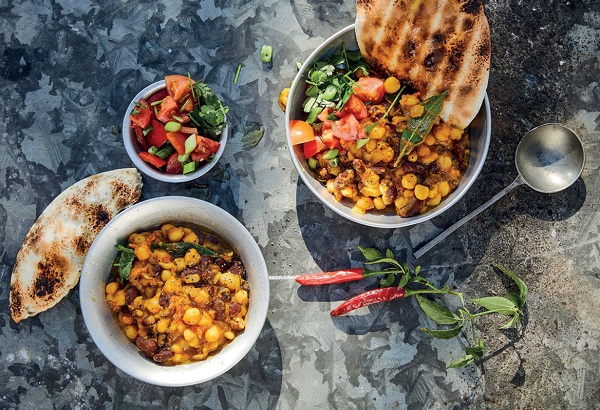
Three-bean potjie curry
Ingredients
- 1 T coconut oil (or any vegetable oil)
- 1 medium onion, finely diced
- 2 cloves garlic, finely chopped (optional)
- 1 large bay leaf
- 6–8 curry leaves (dried or fresh)
- 2 medium tomatoes, peeled and chopped
- 1 t hot masala (adjust to taste)
- ¼ t paprika
- ½ t ground turmeric
- 1 t garam masala
- ¼ t asafoetida (optional)
- 1 x 410 g can baked beans, drained and rinsed
- 1 x 410 g can butter beans or chickpeas, drained and rinsed
- 1 x 410 g can red kidney beans, drained and rinsed
- ¼–½ cup water
- 2 t white wine vinegar
- sea salt and freshly ground black pepper, to taste
- wraps, charred, for serving
For the sambals:
- 2 medium tomatoes, finely diced
- 2 T spring onions, finely sliced
- 1 green chilli, finely chopped (adjust to taste)
- 2 t white wine vinegar
- ½ t sugar
- a handful coriander, chopped, plus extra for serving
- 1 lime, zested and quartered, for serving
Method
- Heat the oil in a medium-sized potjie suspended over the grill or fire, or in a cast-iron pot placed on a wad of foil on the grid. Fry the onion, stirring, until translucent.
- Add the garlic, bay leaf, curry leaves and tomatoes, stir well and cook for 3–4 minutes or until the tomatoes soften and the mixture starts to thicken.
- Add the masala, paprika, turmeric, ½ t garam masala and the asafoetida, then stir well. Fry for a few seconds, then add the beans and/or chickpeas. Stir to coat in the spice mixture.
- Add the water, vinegar and seasoning and cook for 10–12 minutes over a low heat, uncovered, or until the beans start to soften and absorb the flavours. The curry should thicken and not be watery. Sprinkle over the remaining garam masala.
- Just before serving, mix all the sambal ingredients except the lime wedges. Adjust the seasoning and ladle over the hot curry. Serve with the wraps, lime wedges and garnish with coriander.
Cook’s note: This is a play on the baked bean salad served at braais in the Indian community in KZN. Traditionally, it’s a cold salad with finely chopped sambal-style tomatoes, onions and green chillies stirred in just before serving, and a generous sprinkle of finely chopped coriander. Even with the addition of the fresh sambals, this curry still tastes great the next day!
The Best Cuts for Potjiekos
Tougher cuts work best because they become tender over a long, slow cook. Think:
- Lamb neck or shank
- Oxtail
- Chicken thighs or drumsticks
- Beef shin or brisket
These are not only flavourful but also budget-friendly, especially when feeding a crowd.
Regional Twists Across South Africa
Different regions put their own spin on potjiekos. In the Cape, you might find seafood potjies with mussels and prawns. In Gauteng, tomato-based beef potjies are popular. KwaZulu-Natal families often add a spicy twist with curry-style spices or even chakalaka as a base.
Vegetarian and Vegan Potjie Options
Not all potjies revolve around meat. A great vegetarian potjie can be just as hearty and delicious, using layers of beans, lentils, mushrooms, butternut, peppers, and chickpeas. Add coconut milk or tomato puree to deepen the flavour and let it reduce slowly for a creamy, comforting finish.
Sweet and Fruity Potjies
Fruit in potjiekos? Absolutely. Apricots, prunes, and pineapple add a beautiful contrast to savoury meats. A Cape Malay-inspired potjie might even include cinnamon and raisins for warmth and richness.
Serving Your Potjie Right
Once it’s done, serve your potjie straight from the pot to preserve its rustic charm. Popular sides include:
- Pap or mielie rice
- Fresh bread or roosterkoek
- Samp and beans
- Coleslaw or green salad
Don’t forget a spicy sauce or chutney for extra zing.
Pairing Drinks With Potjiekos
Depending on the type of potjie, your drink of choice may vary:
- Red wine pairs beautifully with lamb or oxtail
- A crisp beer goes great with chicken or beef
- Ginger beer or homemade iced tea keeps it kid-friendly and refreshing
Common Potjie Mistakes to Avoid
- Stirring the layers: Just don’t do it.
- Adding too much liquid: The pot is sealed tight, so ingredients release their own juices.
- Cooking too fast: Keep it low and slow. Rushing a potjie is a crime.
- Overloading the pot: Don’t pack it to the brim, because airflow and slow cooking are key.
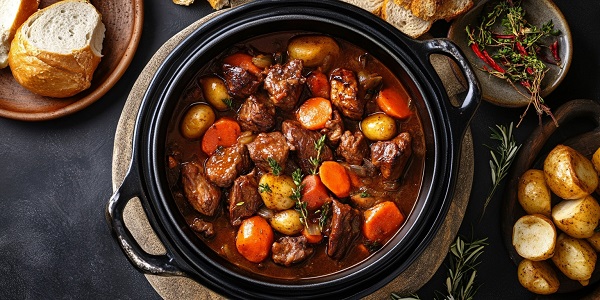
Conclusion
Potjiekos is so much more than a stew, because it’s a celebration of heritage, flavour, and family. Whether you’re a seasoned potjie master or a curious first-timer, the joy is in the process. So grab your pot, light that fire, and enjoy a weekend filled with mouth-watering aromas and unforgettable memories.
FAQs
Can I stir my potjie?
No, you have to resist the urge. The layered, steamed layers create distinct textures. Stir only at the end if needed for seasoning.
How long should potjie cook?
2–4 hours, depending on meat type and texture preference. Chicken is faster (~1–2 hours), while red meat and oxtail benefit from longer simmering.
What size potjie pot should I use?
A #2 pot serves a family of 4–6; fill to second ring. Larger gatherings require #3 or #4 pots for 9–12 people.
Can I make potjiekos indoors?
Yes—with cast iron pot in oven or stovetop. Add liquid smoke or smoky seasoning to mimic outdoor flavour.
Can I prepare potjiekos in advance?
Yes, you can prep your ingredients ahead of time, but it’s best cooked fresh and served immediately.
How do I adjust recipes for vegetarians?
Replace meat with pulses (beans, lentils), add hearty seasonal vegetables, and liberal stock. Simmer until tender and flavours meld—no need to stir.
How do I clean a cast iron potjie pot?
Avoid soap. Use hot water and a brush, then dry it immediately and oil lightly to prevent rust.
Enjoy your weekend potjie adventure and may your layers be flavourful, your fire steady, and your company warm!
** As an Amazon Associate, BabyYumYum may earn from qualifying purchases
