







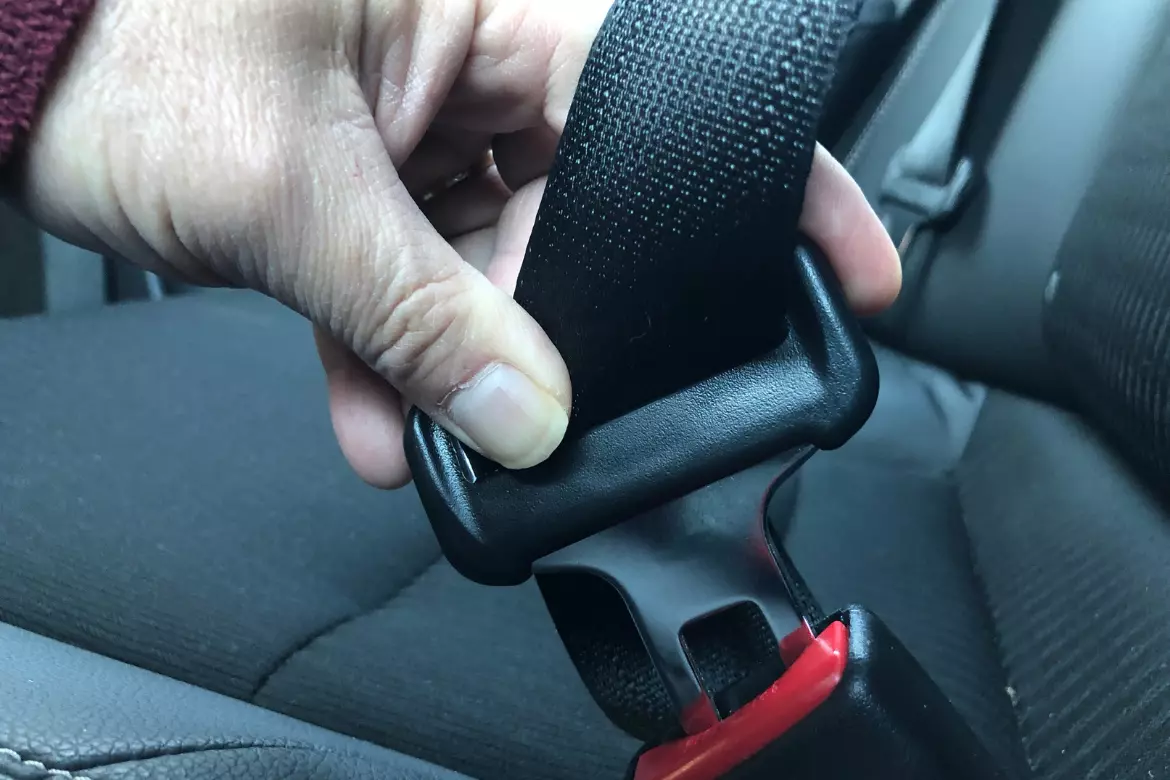
The best car safety tips for your family. As a parent, your family’s safety is your top priority, and that includes keeping them safe while on the road. Whether it’s a short trip to the store or a long family vacation, taking the right precautions can make all the difference in protecting your loved ones. From proper car seat installation to avoiding distractions while driving, there are many steps you can take to ensure that everyone is safe and secure during your journey. Let’s take a look at some of the most important car safety tips every family should follow.
If you’re driving long distances with your kids this holiday season or beyond, here are some tips from our expert, RoadCover, to get you and your precious cargo to your destination safely.
Before you leave:
- Ensure your car is running smoothly and that everything is in working order – from headlamps and windscreen wipers to brakes and seatbelts. If you’ve been hearing strange noises or feeling anything odd or different from anywhere, rather get it checked out before you hit the road.
- Assess your tyre situation and see if any need replacing – they should have at least 3mm of tread. The R5 coin is a good trick – place this into the tread. The brown part of the coin should be fully covered by the tread. Now is also a good time to get your tyres inflated, and get them aligned and balanced too.
- Check that your spare wheel is in good condition, and that you have the correct tools to change a tyre if necessary. If necessary, do a practice run on changing a tyre just to help smooth things along should you get stuck alongside the road.
- When packing the car, make sure you have sufficient snacks, drinks and entertainment for the kids, and more wet wipes than you think you’ll need. It also helps to have a phone charger, emergency contact details on hand, a first aid kit and jumper cables (just in case!).
On the road:
- Make sure your kids are safely seated. Unrestrained children are more likely to be injured, suffer severe injuries and die in an accident than those who are restrained.
According to Arrive Alive, families should follow these following safety tips on every ride:
- Buckle up every time, no matter how short the trip.
- Children 12 and under should be properly restrained in a back seat. A back seat is generally the safest place for a child to ride. While airbags can save lives, kids riding in the front seat can be seriously injured or killed if an airbag is deployed on impact. Even with advanced airbags or no airbags, the back seat is safer for children. Take a look at: Car seats: installation guide, safety tips & the law explained.
- Never put a rear-facing child seat in a front seat with an active frontal airbag.
- Choose the right child safety seat or safety belt for your child’s size and age. Make sure you have the right seat for your child.
- Infants should ride in rear-facing safety seats as long as possible, until they are at least 12 months old and weigh at least nine kilograms.
- Children who are at least a year old, weigh nine to 18kg and can no longer ride in rear-facing seats should ride in forward-facing child safety seats.
- Children over 18kg should be correctly secured in belt-positioning boosters or other appropriate child restraints until the adult lap and shoulder belts fit correctly, usually around age eight.
- Once the vehicle safety belts fit children, both lap and shoulder belts should be used correctly.
- Install and use your child safety seat or seat belt according to the manufacturer’s instructions and your vehicle owner’s manual.
- Ensure your child safety seat has not been recalled.
- Don’t ever leave your kids alone in the car, even if it’s for a short time.
- Follow safe-driving rules to prevent accidents. Always stick to the speed limit and the rules of the road, and avoid doing the following: texting, eating, driving with items on your lap, applying makeup, setting the GPS, driving with headphones, and turning around to tend to your kids.
Safe travels!
“Unrestrained children are more likely to be injured, suffer severe injuries and die in an accident than those who are restrained.”
About RoadCover
RoadCover offers a range of products to assist you with various time-consuming claims processes, as well as licence, legal and bail assistance, and pothole cover. RoadCover gives victims of car accidents access to a working, cost-effective claims management system that allows you to be compensated in full by the Road Accident Fund at no cost to themselves.
Their mission is to remove the very difficult and complicated process that an individual would need to go through when processing a claim with the Road Accident Fund, after being injured in a car accident by another negligent driver.
FAQs: The Best Car Safety Tips for Your Family: Stay Safe on the Road
Why is car safety so important for families?
Car safety is essential because accidents can happen anytime, even on short trips. Using proper safety measures protects everyone in the vehicle, especially children, who are more vulnerable in a crash.
What’s the safest way for a child to travel in a car?
Children should always be in a car seat appropriate for their age, weight, and height. Babies and toddlers must face rearwards until at least 15 months, and older children should remain in a booster seat until they are tall enough to use the seatbelt safely.
How do I know if my car seat is installed correctly?
Refer to the manufacturer’s instructions and look for car seats that have ISOFIX compatibility or seatbelt-guided installation. Many South African road safety organisations also offer installation checks or guidance.
When can my child use an adult seatbelt?
Only when they are at least 1.5 metres tall and can sit with their back against the seat and knees bent over the edge without slouching. The seatbelt should lie across the chest and hips, not the neck or stomach.
Are airbags safe for children?
Airbags can be dangerous to children, especially in the front seat. Children under 12 years old should always sit in the back, even if they are using a booster or seatbelt.




How often should I check tyre pressure and tread?
Tyres should be checked monthly, before long trips, and whenever they look underinflated. Tread depth should be at least 1.6mm to ensure safe grip, especially in wet conditions.
Is it safe to use a mobile phone with hands-free while driving?
Even hands-free calls can distract your attention from the road. It’s safest to avoid calls altogether while driving or pull over if you need to use your phone urgently.
What emergency items should I always keep in the car?
You should keep:
- A first-aid kit
- A torch (flashlight)
- Reflective triangle and vest
- Jumper cables
- Basic tools
- Bottled water and a phone charger
These can be vital during a breakdown or roadside emergency.
What’s the best way to prevent distractions from kids while driving?
Set up entertainment, snacks, and comfort before leaving. Teach children the importance of letting the driver concentrate. If things get chaotic, stop safely rather than trying to handle it while moving. Must read: How to Avoid Distractions from Your Kids While Driving.
How do I stay alert on long road trips?
Take a break every 2 hours, stay hydrated, and avoid heavy meals. If you feel drowsy, switch drivers or stop to rest. Share driving duties where possible.
What should I check before any family road trip?
Before you leave, check:
- Tyre pressure and tread
- Oil and coolant levels
- Brake lights and indicators
- Wipers and windscreen washers
- Child car seats are secure
A quick pre-trip check can prevent breakdowns or avoidable hazards.



Disclaimer: This content provides general safety guidance and does not replace expert advice or local road laws. Always refer to your vehicle manual, certified child car seat guidelines, and follow the rules of the road in South Africa.
Make flying with kids easier with these 6 essential tips. Learn how to prepare and manage air travel to keep the journey smooth and enjoyable.

BabyYumYum
Discover the best parenting advice and support from BabyYumYum - the ultimate resource for parents who want only the best for their children. From expert articles to personal guidance, we have you covered on all things parenthood.